Tanks 8 to 12 years, tankless 15 to 20528 grams of scale a year on hard water
How long a water heater lasts on Las Vegas water
Manufacturers publish a lifespan, and valley water quietly shortens it. Start with the published numbers, then the noises and symptoms that matter, then the point where looking turns into calling.
- Rheem published lifespans
- Battelle scale study figures
- Clark County permit rules
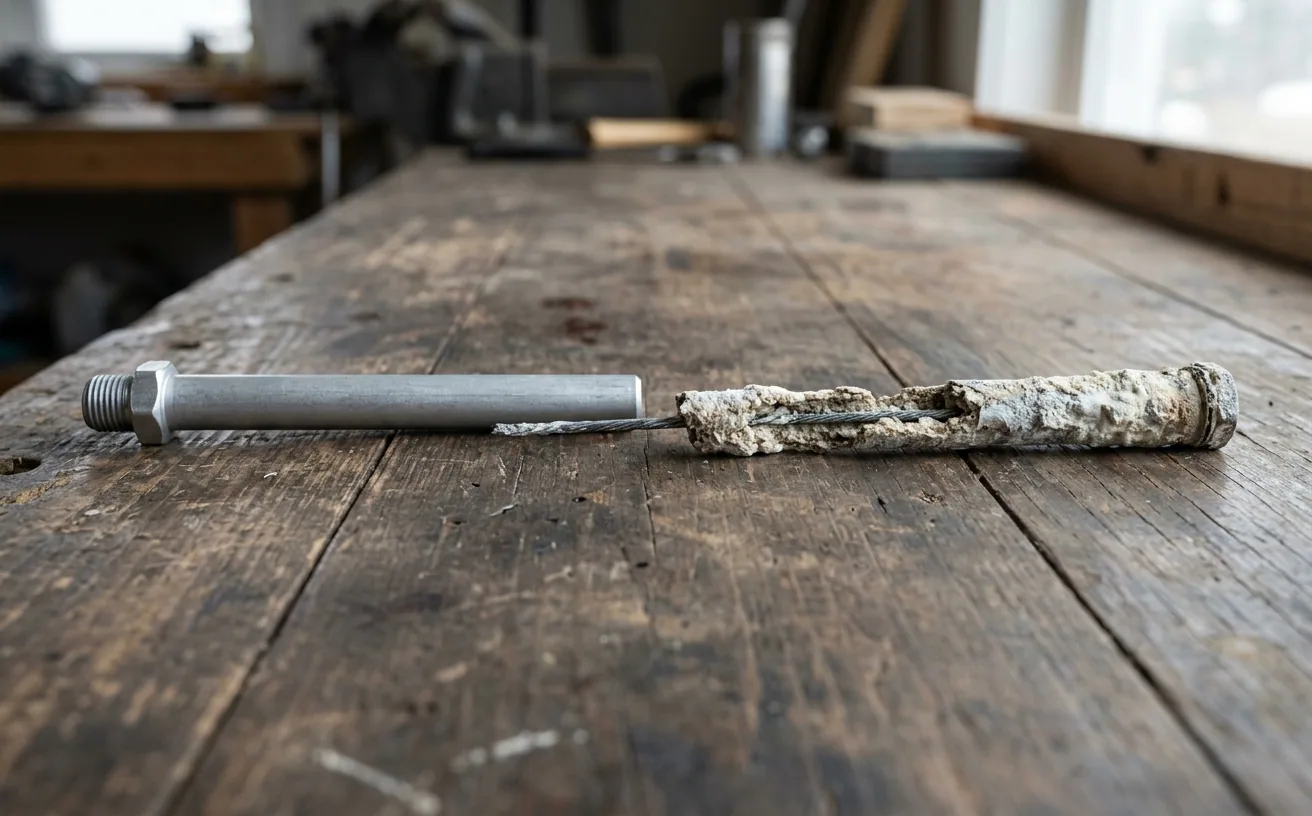
A tank water heater is rated at 8 to 12 years and a tankless unit at 15 to 20 or more, both figures from Rheem. The manufacturer says hard water shortens both. Las Vegas water runs 16 grains per gallon, so scale builds fast. Annual flushing, a live anode rod and softened water are what protect the published number.
Last updated 2026-09-05. Written for homeowners in Las Vegas and Clark County, Nevada.
What is the published lifespan, and what does hardness do to it?
Rheem puts a storage tank water heater at 8 to 12 years and a tankless unit at 15 to 20 or more. The manufacturer also states plainly that hard water shortens both of those ranges.
Las Vegas water is hard by any measure. The Las Vegas Valley Water District publishes valley tap water at 16 grains per gallon. The US Geological Survey classes anything above 180 milligrams per liter as very hard.
The mechanism is simple. Heating water drives dissolved calcium and magnesium out of solution, and the mineral settles on the hottest surface it can find. In a tank that is the bottom, and in a tankless unit it is the heat exchanger passages.
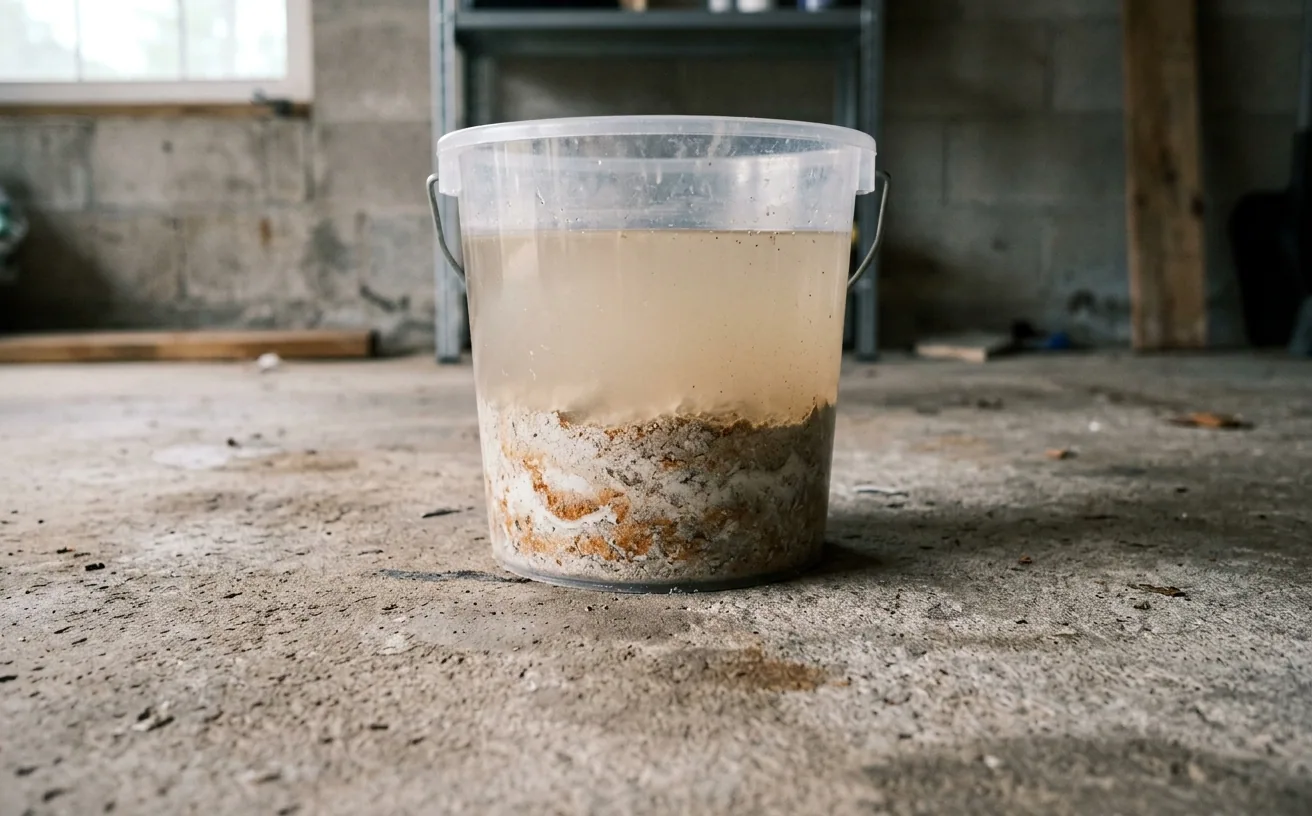
A 2009 Water Quality Research Foundation study run by Battelle measured the difference. Gas storage heaters on untreated water collected 528 grams of scale in a year, against 7 grams on softened water. Electric units collected 907 grams against 14.
The result that matters most is the one nobody expects. Not a single heater running untreated water finished that trial, because scale had blocked the outlet piping on every one of them.
What does a heater near the end of its life do?
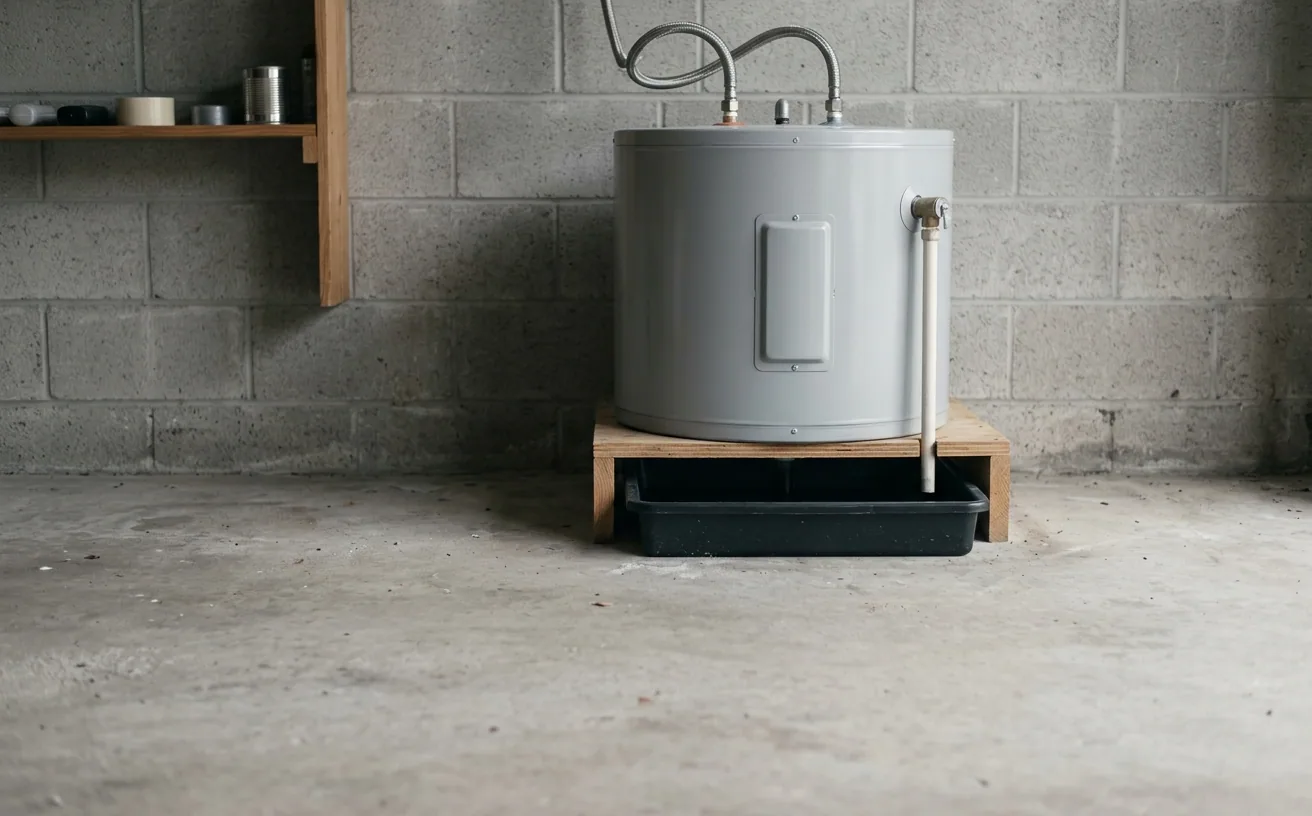
Noise comes first in most valley homes. A rumble or a series of pops during a heating cycle is water flashing to steam. It happens under a layer of sediment settled on the tank floor.
Capacity is the second complaint. Sediment and scale occupy volume that used to hold water. A tank that comfortably covered two showers starts running cold partway through the second one.
Water color separates two different problems. Rust or brown tint on the hot side only points at corrosion inside the tank or a spent anode rod. The same tint on both hot and cold points somewhere upstream instead.
Anything wet at the base of the unit is the sign that ends the conversation. Fittings can be replaced, but a tank that has corroded through cannot be repaired, and it fails the rest of the way without much warning.
| What you notice | What it usually means |
|---|---|
| Rumbling or popping while it heats | Sediment on the tank floor with water boiling beneath it |
| Hot water runs out sooner than it used to | Scale and sediment taking up usable tank volume |
| Rusty or brown water on the hot side only | Corrosion inside the tank, or a fully spent anode rod |
| Moisture or rust streaks at the base | The tank itself is leaking rather than a fitting |
| A tankless unit swinging hot then cold | Scale narrowing the heat exchanger passages |
| An error code on a tankless display | The unit reporting flow or temperature it cannot hold |
| Metallic or sulfur smell in hot water only | Reaction at the anode rod inside the tank |
Why does this guide stop before the repair steps?
This page describes symptoms and stops there, deliberately. A storage water heater is a pressurized vessel containing either a gas burner or a high voltage heating element. Both sides of that carry real risk.
Relighting a pilot, adjusting a thermostat, moving a gas connection or opening a burner compartment are not homeowner tasks. Gas and scalding water are both in play, and mistakes with either one are not the kind you recover from.
The temperature and pressure relief valve earns its own warning. It is the device that keeps a tank from turning into a hazard, and it discharges water hot enough to cause serious burns. Do not test it, cap it or plug it.
What you can safely do is observe. Note the noise, how long hot water lasts, the color coming out of a hot tap, and anything wet on the floor. That handful of observations is most of a diagnosis before anyone arrives.
What actually extends the life of a heater here?
The anode rod is the component almost nobody knows they own. It is a sacrificial metal rod hanging inside the tank that corrodes on purpose, so the steel tank lining does not corrode instead.
When that rod is used up, the tank becomes the sacrificial part. Checking and replacing an anode on schedule is the cheapest thing anyone can do for a storage heater, and hard water consumes rods faster.
Flushing removes the sediment layer before it insulates the tank floor and forces the burner to run longer. On valley water that is a yearly job rather than an occasional one, because 16 grains per gallon keeps depositing the whole time.
Tankless equipment comes with a published schedule for exactly this reason. Rinnai asks for a flush at least once a year. Navien asks for descaling at least annually, and more often where mineral content or the set temperature runs higher.
Softening the water addresses the cause rather than the symptom. Nothing else on this list stops the mineral from arriving at all. That is why the Battelle gap between treated and untreated heaters is so wide.
Repair or replace, and what does the permit require?
Age against the published range does most of the sorting. A six year old tank with a failed part is usually worth fixing. An eleven year old tank with the same failed part is being asked to justify the labor twice.
Replacing a water heater in Clark County requires a permit. Whoever pulls that permit is the responsible party for the installation, which is worth knowing before anyone agrees to do the work informally.
The county issues the water heater permit fully online with no plan review, one item per permit. The Department of Building and Fire Prevention is at 4701 West Russell Road, and the phone number is (702) 455-3000.
Clark County Code 22.02.195 lists the plumbing work that needs no permit, including clearing stoppages and repairing leaks in pipes, valves or fixtures. A heater replacement does not appear on that list.
Nevada's exemption for jobs under $1,000 does not apply when a permit is required. The water Heater Repair for Las Vegas homes covers what gets checked first. Call (725) 337-3692 with the age of the unit, whether it is gas or electric, and what it is doing.
Sources
- Tank water heaters at 8 to 12 years, tankless at 15 to 20 or more, both shortened by hard water Rheem
- Scale accumulation of 528 and 907 grams a year on unsoftened gas and electric heaters, and the blocked outlet piping failures Water Quality Research Foundation, Battelle study
- Guidance to flush a tankless water heater at least once a year Rinnai
- Guidance to descale at least annually, more often with higher mineral content or set temperature Navien
- Hardness of 280 parts per million, or 16 grains per gallon, in valley tap water LVVWD Water Quality Summary
- Water above 180 milligrams per liter is classed as very hard USGS, Hardness of Water
- Water heater permits issued online with no plan review, and the work exempted from permits under Code 22.02.195 Clark County Building and Fire Prevention
- The small job exemption does not apply where a permit is required Nevada State Contractors Board
Where to go from here
The service this covers
Related guides
Want someone to look at yours?
Reading about it only gets you so far. One call gets you an answer about your house.
Reach Clark County Plumber
- Phone
- (725) 337-3692
- Service area
- Clark County, Nevada, including Las Vegas, Henderson, North Las Vegas, Summerlin, Paradise, Spring Valley, Enterprise and Boulder City
We are a service area business. We come to you, so there is no counter to visit and no street address on this page. The number above is the fastest way in.
What to have ready
About a minute of detail changes what we can tell you on the call.
- The address and ZIP code, so we know which end of the valley you are on.
- What the symptom is, in your own words. "Water under the sink" beats a diagnosis.
- When it started, and anything already tried.
- On a water heater: gas or electric, and roughly how old it is.
- You get the diagnostic fee as a figure on the phone, before anyone is sent.
- Scope and price are agreed together, before any work starts.
- Water moving right now? Shut the main off first, then call and say so.
Related questions
How do I find out how old my water heater is?
The rating plate glued to the side of the unit carries the model and serial number, and manufacturers encode the build date inside the serial. Many print the month and year in plain text on the same label, usually near the top.
If the label is unreadable, the installation date is often written on a sticker or on the permit record for the address.
Does a water softener really make a heater last longer?
The Battelle study measured it directly rather than estimating. Heaters on softened water finished the year with a few grams of scale each. The units on untreated water finished it with hundreds of grams, gas and electric alike.
The failure rate says more than the grams do. Scale did not merely shorten those heaters, it closed the outlet piping and ended the test for every untreated unit.
Is a tankless unit a better choice on Las Vegas water?
Rheem puts tankless at 15 to 20 years or more against 8 to 12 for a tank, so the published headroom is real. The tradeoff is that a tankless heat exchanger has narrow passages, and scale closes narrow passages faster than it fills a wide tank.
That is why Rinnai and Navien both publish annual service requirements. A tankless unit on untreated valley water without that service does not reach its published range.
Do I need a permit to replace my own water heater?
Yes. A water heater replacement is a permitted item in unincorporated Clark County, and the permit applies whether a homeowner or a company does the installation. The county issues it online with no plan review.
Whoever pulls the permit becomes the responsible party for that installation. That detail matters if the work is later inspected or comes up during a sale.
How often should a tank heater be flushed in this valley?
Once a year is the working answer on 16 grains per gallon, and more often if the tank is already noisy. The point is to move sediment out before it forms an insulating layer across the bottom of the tank.
Skipping it has a compounding cost. The burner runs longer to push heat through the deposit, which wastes fuel and stresses the tank at the same time.
Talk it through with someone
Describe what you are seeing and we will tell you what it usually turns out to be.