A regulator that has quietly given up
A pressure regulator is a spring and a diaphragm, and both fatigue over time. When it fails open, everything downstream sees street pressure. That shortens the life of every washer, hose and valve in the house.
Spring Valley and the west valleyWater at 16 grains per gallonPermits from Clark County
A house still on its original shutoff valves and pressure regulator is running past a published service life. InterNACHI rates an angle stop at 8 to 20 years, and hard water pushes that toward the early end.
Figures above are published third party data, not company claims. Sources: InterNACHI, LVVWD, Clark County Code.
Spring Valley is an unincorporated Clark County township, so permits come from Clark County Building and Fire Prevention rather than a city counter. Most calls here are angle stops, pressure regulators and water heaters rather than pipe. Call (725) 337-3692 to describe the problem.
Plumbing permits for Spring Valley are issued by the Clark County Department of Building and Fire Prevention, at 4701 West Russell Road, Las Vegas, NV 89118, reachable on 702-455-3000. Sewer service here runs through Clark County Water Reclamation District, and that matters because in the Clark County Water Reclamation District area the lateral from your house to the main in the street is the property owner's responsibility rather than the district's.
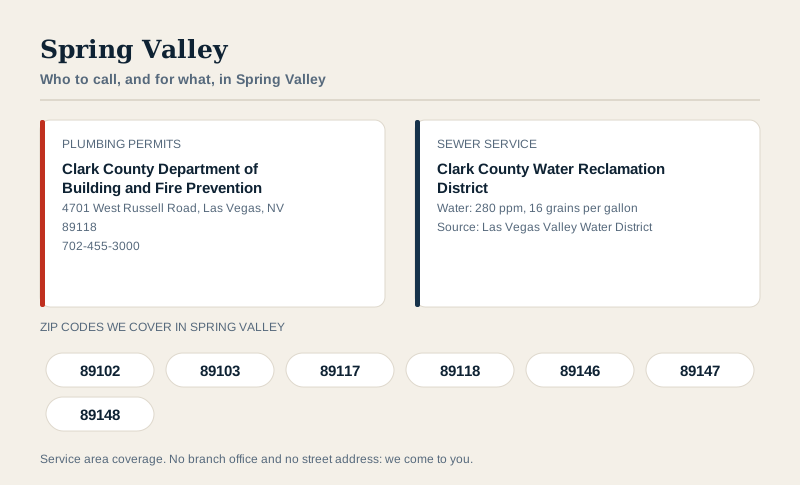
Spring Valley permits come from the Clark County Department of Building and Fire Prevention, not from the city. That office sits at 4701 West Russell Road, Las Vegas, NV 89118.
Spring Valley addresses sit in ZIP codes 89102, 89103, 89117, 89118, 89146, 89147 and 89148 across the west valley.
Spring Valley takes in Chinatown, Rhodes Ranch, Spanish Trail, Peccole Ranch, Canyon Gate, Mountain Trails and the Southwest Ranches pockets near Durango Drive.
The arterials we work off in Spring Valley are the 215 Beltway, Rainbow Boulevard (SR 595), Durango Drive, Flamingo Road (SR 592) and Tropicana Avenue (SR 593), which is how a job in this part of the valley gets reached.
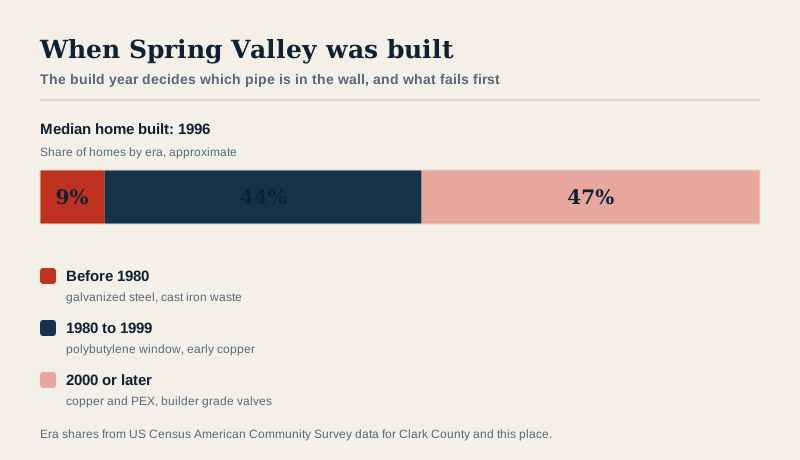
Named communities and neighborhoods we cover inside Spring Valley include Chinatown, Rhodes Ranch, Spanish Trail, Mountain Trails, Peccole Ranch, Canyon Gate and Southwest Ranches. Each of those went up in a different decade, which is the single best predictor of what is about to fail in the wall.
We work Spring Valley as part of our Clark County coverage, dispatched to the address rather than from a counter. Start from every area we serve if this is not your city.
Permit authority and address confirmed against the department's own page on 2026-09-21.
Supply pipe is rarely the problem in a Spring Valley house. InterNACHI puts a copper water line at 50 years and credits PEX with 40 to 50. What wears out first is everything small and mechanical. InterNACHI rates angle stops, the little shutoff valves under sinks and toilets, at 8 to 20 years. Hard water pushes them toward the early end of that.
The township covers Chinatown along Spring Mountain Road plus Rhodes Ranch, Spanish Trail, Peccole Ranch, Canyon Gate, Mountain Trails and Southwest Ranches. These are established master planned neighborhoods rather than new construction. Where a house is still on the valves and regulator the builder fitted, those are the parts sitting past a published service life.
Spring Valley is unincorporated, so plumbing permits here do not come from the City of Las Vegas. They are issued by the Clark County Department of Building and Fire Prevention at 4701 West Russell Road. Clark County issues several plumbing permits start to finish online with no plan review. That list covers water heater, water softener, reverse osmosis, gas re-tag and residential repipe, one item per permit.
Wastewater goes to the Clark County Water Reclamation District, which runs more than 2,200 miles of pipeline. In that service area the lateral from your house to the street main is the property owner's responsibility. So a root blockage under your front yard is a homeowner repair. The district does not come and dig it up for you.
The water district publishes valley hardness at 280 parts per million, which is 16 grains per gallon. The seasonal groundwater blend runs mainly April through October and reaches northwest valley homes. The published saturation index for the valley is plus 0.25, and a positive index means the water leaves scale behind rather than dissolving it.
In most Spring Valley houses the supply pipe is not the problem. The failures cluster in valves, regulators and appliances. Those parts have simply run their hours, and hard water speeds every one of them along.
The pattern is usually gradual rather than dramatic. Something drips a little, then a little more. A fixture that used to work smoothly starts to fight back.
If your house is still on its original valves and shutoffs, this page describes your situation. The same is true if you replaced a faucet and found the shutoff underneath would not close.
If your water is off right now because a supply line let go, the phone is the faster route. If nothing is leaking and you only want better water, the softener conversation is the one to have.
This page is about fixtures, valves and appliances in a west valley house, not pipe under concrete. Warm spots on the floor or an unexplained bill jump point to slab leak repair across Clark County instead.
If your address is east of Eastern Avenue or south of Tropicana, you may be in Paradise or Enterprise. The building era in each of those places is different enough to change the answer.
The list below reflects the work an established west valley house tends to need. It is descriptive rather than a menu, and the actual scope is set after someone looks at the house.
| What is included | What that means |
|---|---|
| Angle stops and supply lines | The small shutoff valves under sinks and toilets get replaced when they weep, seize up or refuse to close. |
| Pressure regulator | The regulator near the front of the house is tested and swapped when incoming pressure runs high enough to stress fixtures. |
| Water heater work | A heater tucked into a garage alcove is flushed, repaired or replaced, and a replacement carries a county permit. |
| Water softener and treatment | A conditioning system is sized against 16 grains per gallon and installed under a Clark County permit with an inspection. |
| Kitchen and laundry branch drains | Drains that back up when the dishwasher or washer empties are cleared, then checked to rule out a main line problem. |
| Chinatown commercial kitchens | Grease interceptor work along the Spring Mountain Road restaurant corridor follows Southern Nevada Health District plan review rules. |
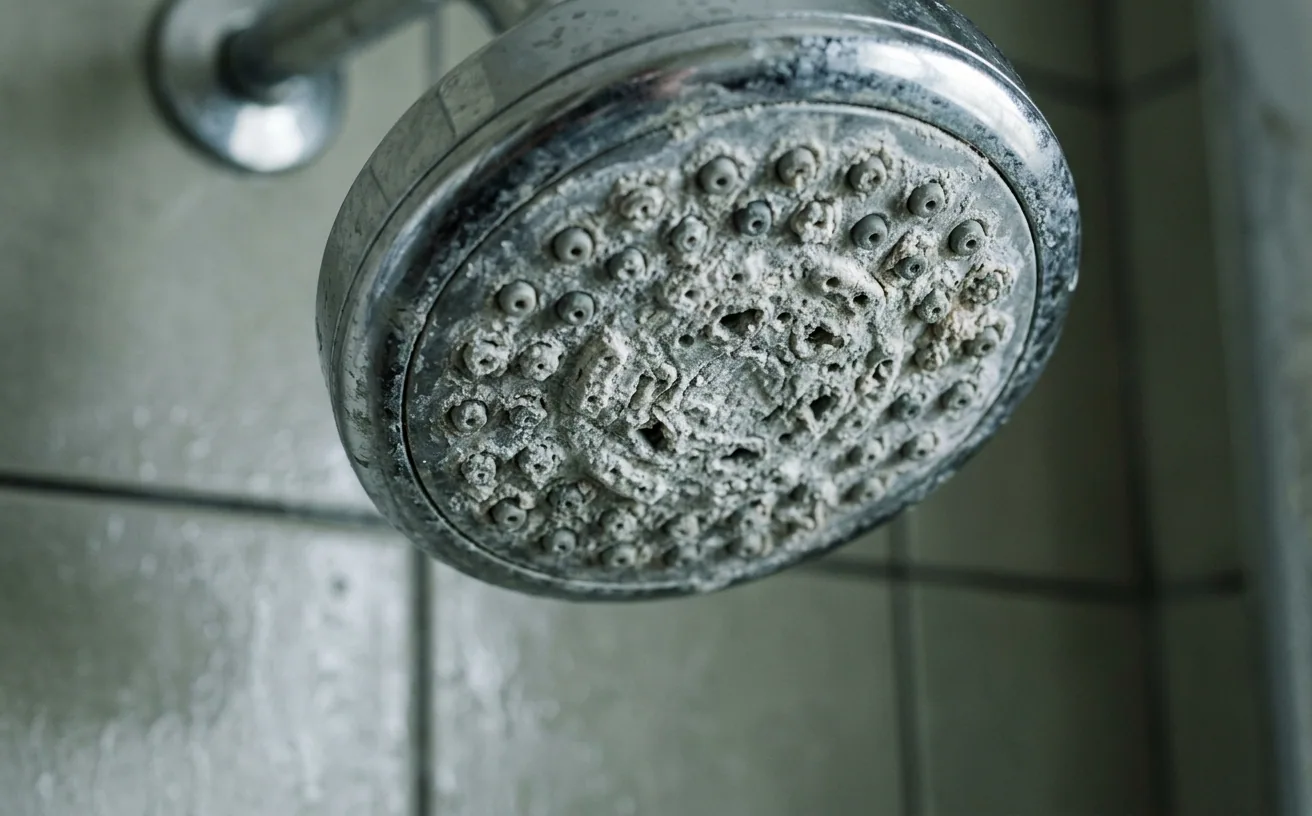
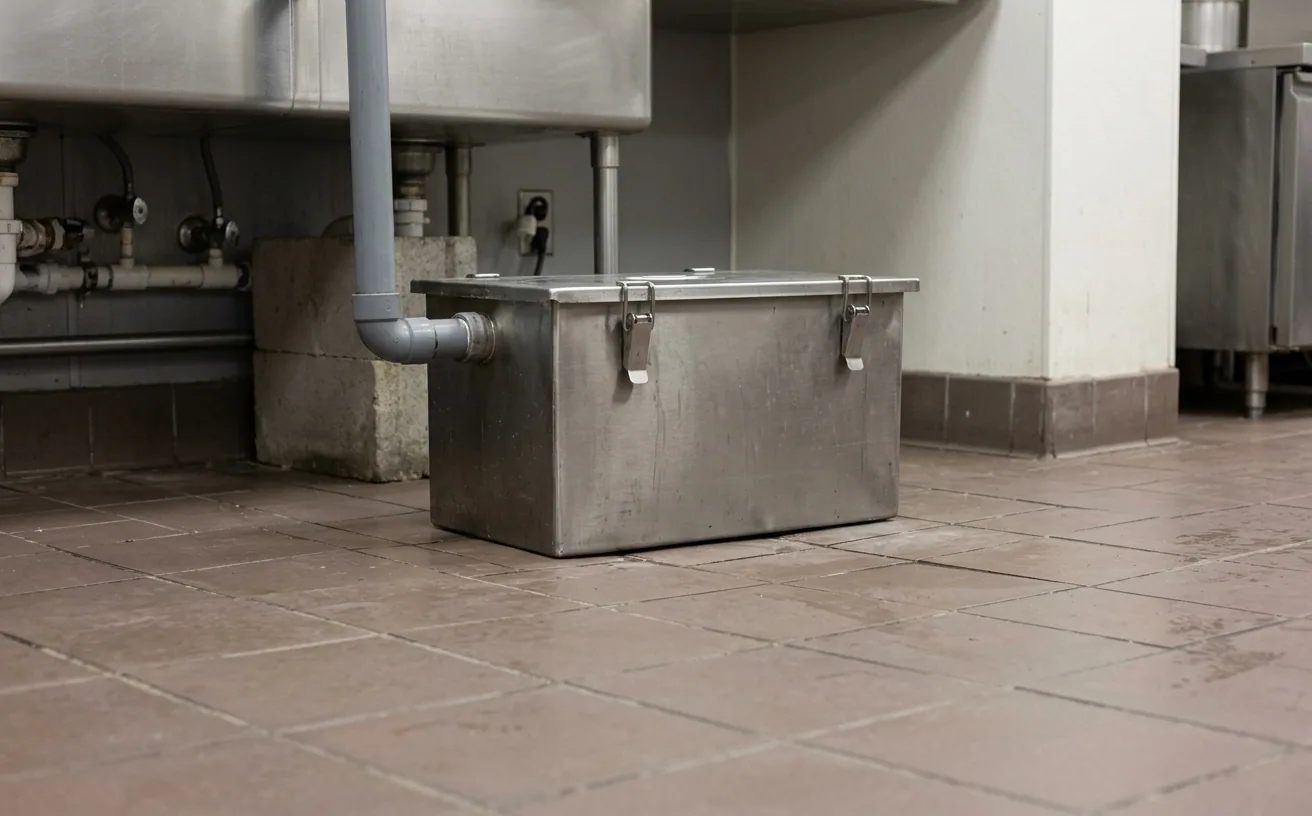
This is the ordinary order of work, and none of it is a promise about timing.
You describe the symptom, give the address and say when somebody can be home. The person taking the call asks which fixtures are affected and whether the water is shut off.
On the phoneYou point out the fixture and the main shutoff. The plumber checks static pressure at a hose bib, inspects the regulator and works out which side of the system is failing.
First half hour on siteYou decide whether to go ahead. The plumber puts the scope and the price in writing, including whether a Clark County permit belongs to this job.
Before any work startsYou keep pets and kids clear of the work area. The plumber finishes the work, tests it under pressure and books the county inspection when the permit calls for one.
Same visit unless a part has to be orderedThe number becomes final when you sign the written scope, and it moves only if you approve added work in writing.
Nothing in the table below is a quote from this company. Each figure is a published market range from a named cost guide. They show roughly where a job of this type lands before anyone visits.
Your own number depends on the house. A regulator behind a wall of shrubs costs more to reach than one at an open hose bib, and that difference is real money.
An estimate in Spring Valley starts with somebody looking at the actual valve, regulator or heater. Static pressure gets checked, the fixture gets tested and the condition of the part gets noted. No duration is promised here, because none has been verified.
The written scope comes out of that visit, and it lists the parts, the labor and any permit. You agree to the number before work begins. Nothing gets opened up on the strength of a phone guess.
| Job | Typical Las Vegas range | What moves the number |
|---|---|---|
| Pressure regulator replacement | $200 to $700 | Average around $400. |
| Tank water heater, installed | $882 to $1,826 | National average about $1,347. A 50 gallon unit runs about $800 to $2,500 depending on venting and code upgrades. |
| Water softener, installed | $200 to $6,000 | National average about $1,500. A whole home system sized for Las Vegas hardness sits in the middle of that range, not the bottom. |
| Drain cleaning | $147 to $352 | National average about $246. A main sewer line clog runs higher, about $100 to $800, and Las Vegas contractors commonly publish $250 to $500 for a main line. |
| Leak detection | $125 to $400 | Repairing the pipe once it is found runs about $150 to $350 more. Las Vegas contractors commonly publish $200 to $600 for detection. |
Every figure in this table is a published Las Vegas or national market range from the source named beside it. It is not a quote and it is not this company's price list. Your number comes from the on site estimate. Sources: <a href="https://www.homeadvisor.com/cost/plumbing/" rel="nofollow noopener" target="_blank">HomeAdvisor cost guides, 2026</a>.
Replacing every angle stop during one visit is usually cheaper than paying a separate service call for each valve as it starts to weep.
Published Las Vegas market ranges put a standard service or diagnostic fee at roughly seventy five to one hundred fifty dollars. The broader trade range runs fifty to two hundred, and after hours dispatch sits higher still.
Whether that fee gets credited toward the repair is not claimed here, because the policy has not been verified. The fee, and whether it is applied to the work, is confirmed with you before anyone is dispatched.
Ranges last reviewed September 2026.
Two conditions account for a large share of Spring Valley calls. Both are ordinary wear on parts fitted when the house was built. Both have been sitting in hard water ever since.
A pressure regulator is a spring and a diaphragm, and both fatigue over time. When it fails open, everything downstream sees street pressure. That shortens the life of every washer, hose and valve in the house.
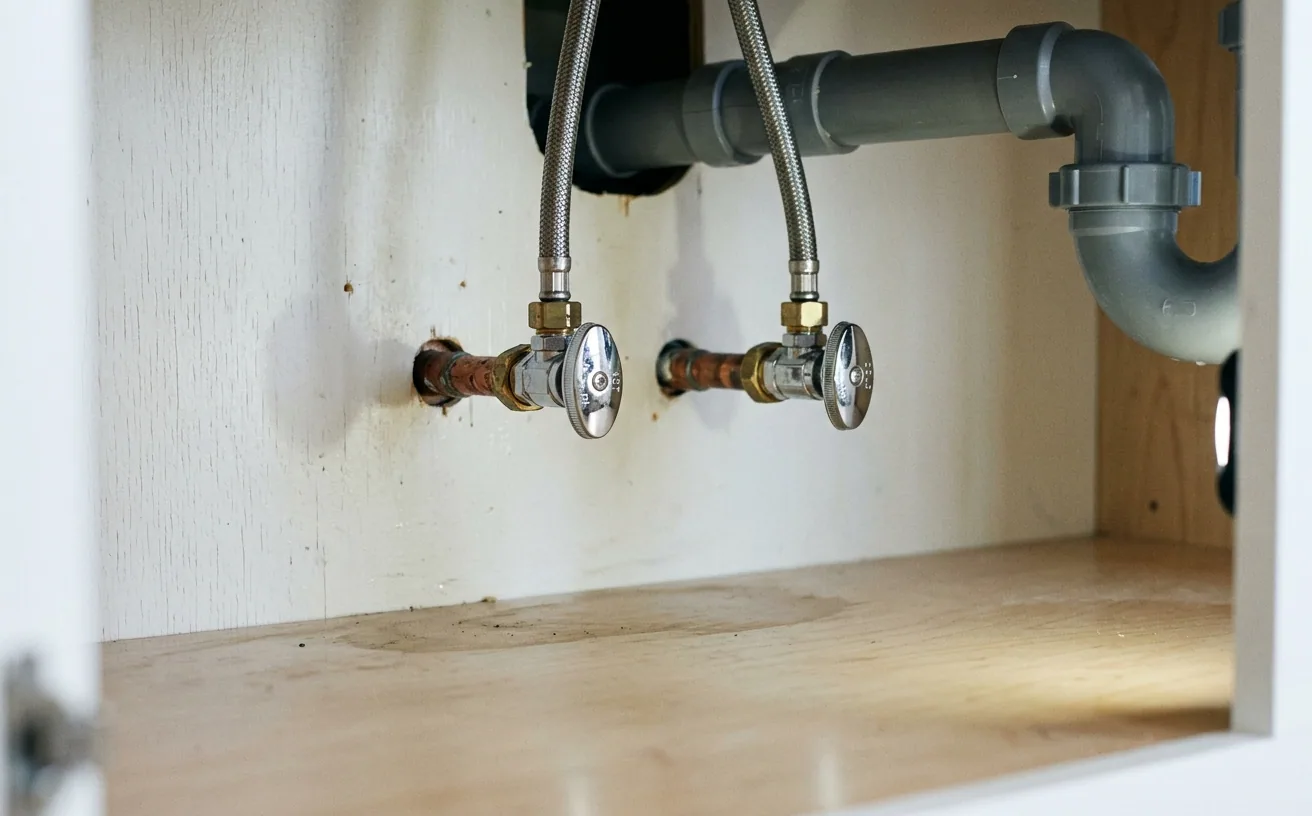
Mineral deposits build on the stem of a shutoff valve that has not been turned in twenty years. Turning it then either does nothing or starts a drip that will not stop. That is why a simple faucet swap sometimes becomes two repairs.
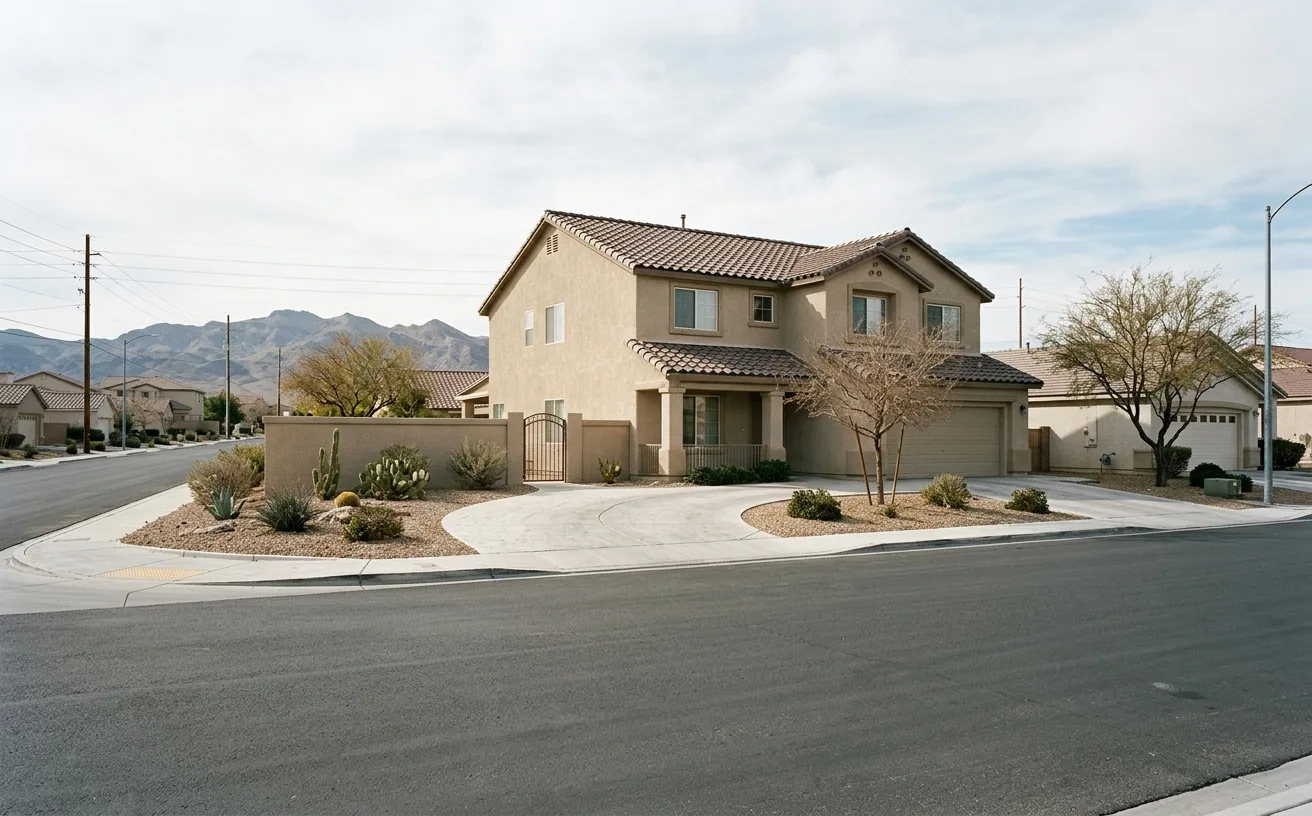
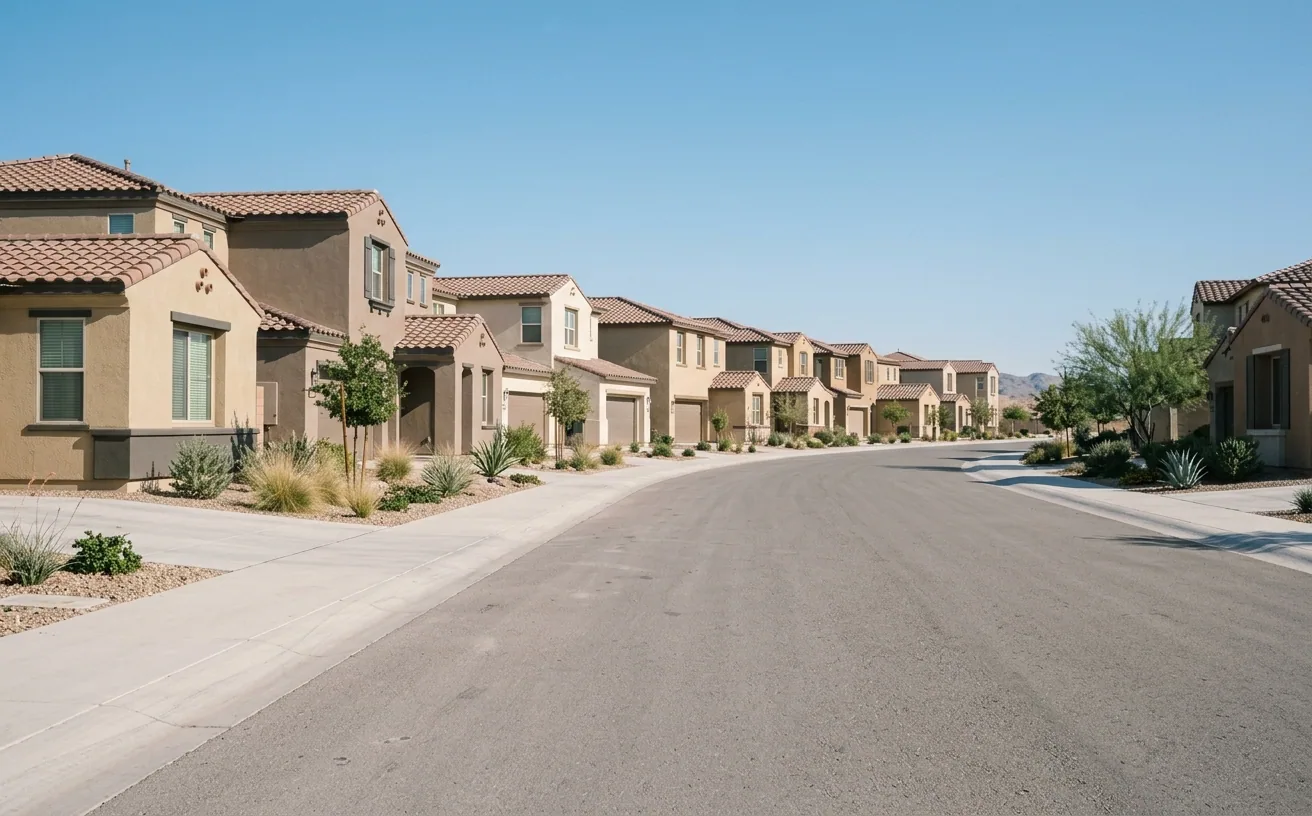
The photographs on this page are illustrations of the conditions described, and real job photographs will be added here as they are approved for publication.
Every service below is available across Spring Valley. The water treatment pages matter more here than they would in a soft water city, because the valley runs at 16 grains per gallon on a positive saturation index.
Call and tell us the cross streets if the address is hard to find.
We are a service area business. We come to you, so there is no counter to visit and no street address on this page. The number above is the fastest way in.
About a minute of detail changes what we can tell you on the call.
Yes. Spring Valley is unincorporated Clark County, and a water conditioning system needs a permit and an inspection there. That applies whether a homeowner does the work or a company does. The county issues the softener permit online with no plan review.
That rule catches people who bought a system online and planned a Saturday install. The permit itself is straightforward. The inspection means the connection, the bypass and the drain all get looked at by the county.
A pressure difference between fixtures usually points at the fixtures, not the house. Aerators and shower cartridges collect scale from water running 16 grains per gallon. The fixture furthest along the run shows it first, while a whole house drop points at the regulator.
The quick test is to pull the aerator off the weak faucet and look inside it. If it is packed with white grit, you have found your answer. The same buildup is sitting in the shower cartridge.
It is unlikely. Polybutylene was manufactured from 1978 until the middle of 1995, so a house finished in 1997 was almost certainly plumbed in copper. Homes at the older end of Spring Valley sit inside that window and are worth checking.
If you want certainty, look at the pipe coming out of the wall at the water heater. Polybutylene is usually gray plastic stamped PB2110, though it also came in white, silver, black and blue.
You are, for the lateral. The Clark County Water Reclamation District serves this township. In its service area the line from the house to the street main belongs to the property owner to clean, repair and replace. That responsibility does not change when the blockage is caused by roots.
The district handles the main itself. So the practical question is where the blockage sits, which is what a camera run down the cleanout is for.
Commercial kitchen plumbing along the Spring Mountain Road corridor is a different job from residential work. Grease interceptors, floor drains and three compartment sinks fall under Southern Nevada Health District plan review rather than ordinary residential practice. The rules are stricter and the inspections are separate.
The Health District requires a grease trap or interceptor to sit outside the food establishment wherever possible. It may never go where food is prepared or where utensils are washed and stored.
InterNACHI publishes a range of 8 to 20 years for angle stops, and hard water pushes Las Vegas houses toward the early end. A Spring Valley home still on its original valves is usually well into that range, and often past the top of it.
They rarely fail dramatically. Usually they simply stop closing, which you discover at the worst possible moment. That moment is normally when you are trying to shut the water off for something else.
Not meaningfully. The Las Vegas Valley Water District publishes hardness at 280 parts per million, or 16 grains per gallon. Calcium averages 75 parts per million across that service area and magnesium averages 24. Spring Valley draws from the same supply.
The one seasonal wrinkle is groundwater, used mainly from April to October and reaching northwest valley homes. Chlorine, not chloramine, is the disinfectant here, which matters for softener resin life.
Tell us what is happening and we will tell you what it usually takes to fix.