What homeowners push back on
High pressure feels great in the shower, why would I reduce it?
It does feel good, and that is exactly why the problem goes unnoticed for years. The cost lands on cartridges, connectors, angle stops and appliance valves.
US EPA WaterSense puts average household leak losses above 9,300 gallons a year. Pressure driven failures are a quiet contributor to that total.
My house is newer, so this cannot be my problem
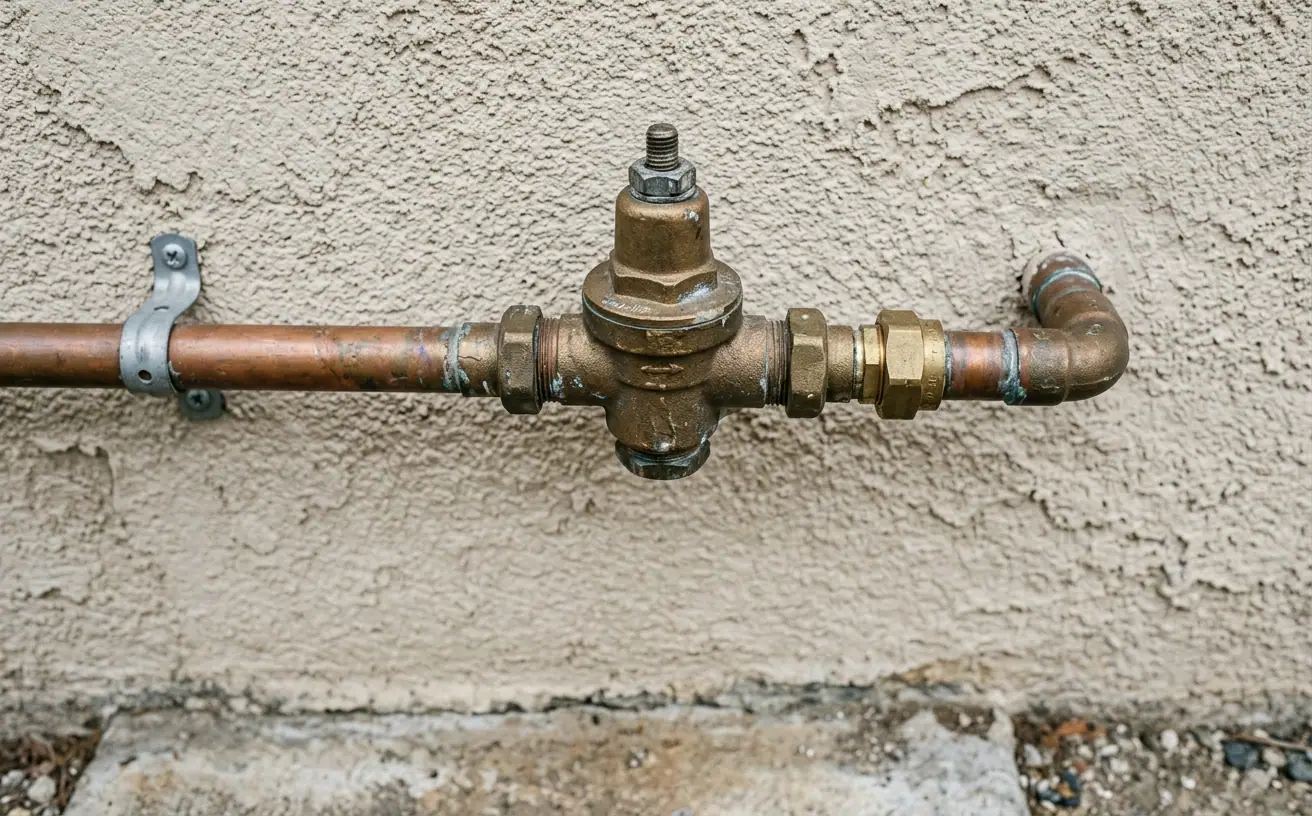
Age of the house tells you about the pipe, not about the valve. A regulator is a mechanical part with a spring and a seat, and it wears regardless.
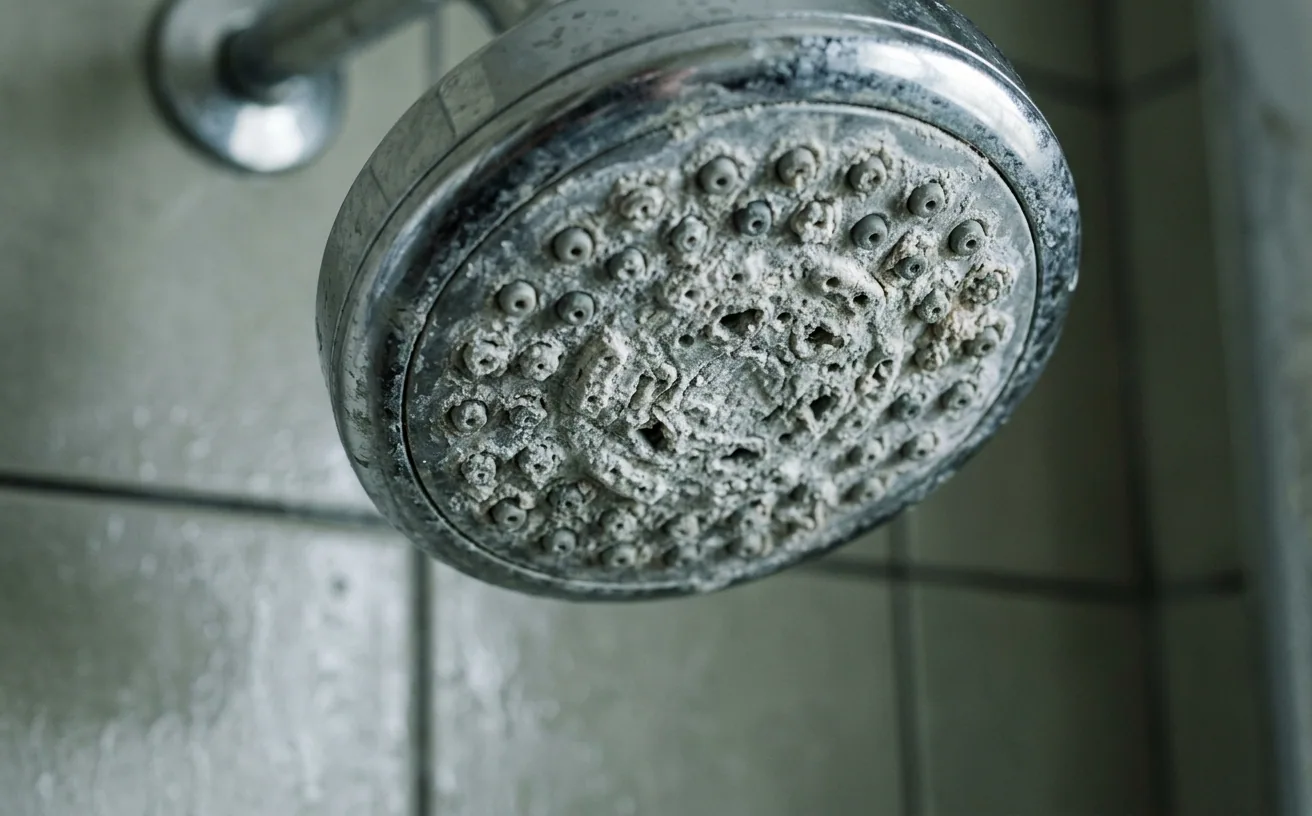
Valley water carries 591 parts per million of dissolved solids and deposits scale. That deposit is what stiffens a regulator seat over time.
Can I not just turn the adjustment screw myself?
Adjusting without a gauge is guessing, because the screw changes a number nobody in the conversation can see. The reading is the whole point.
A regulator that has failed internally also will not respond properly to adjustment. Turning the screw on a dead valve simply wastes an afternoon.
Is the water district not responsible for my pressure?
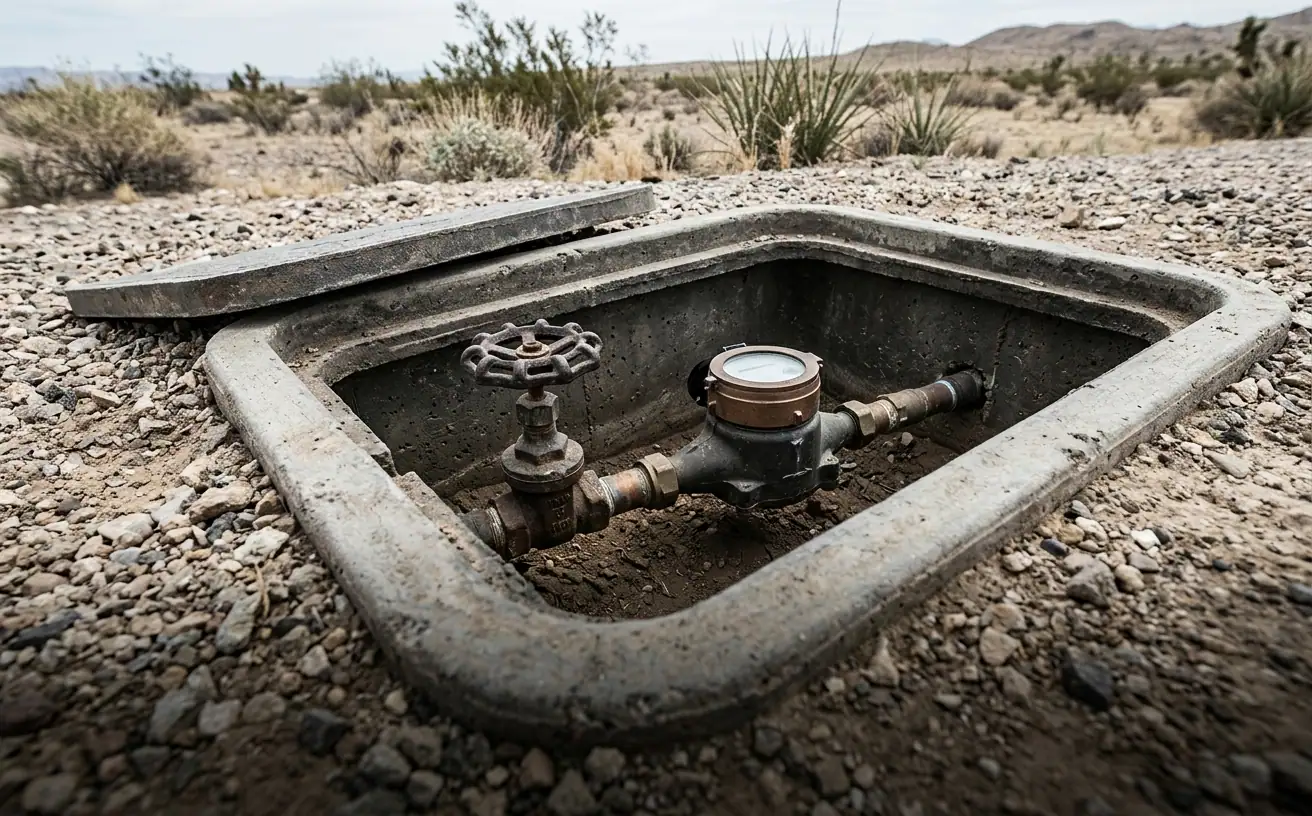
The utility delivers water to the meter. The regulator sits past that point on your own piping, which is why it is a plumbing repair.
That boundary matters elsewhere too. The Southern Nevada Water Authority describes a leak between the shutoff valve and the meter as an underground leak.
Nothing is leaking, so why replace a working valve?
Regulators rarely leak. They fail by drifting, which means the pressure they let through stops matching what they are set to hold.
The evidence is therefore never the valve itself. It is the gauge reading and the pattern of fixture failures around the house.