What owners and managers ask first
We already have a plumber who knows the building
Then keep them for routine work, because familiarity with a building is genuinely worth money. Most managers keep a second number for capacity, not for replacement.
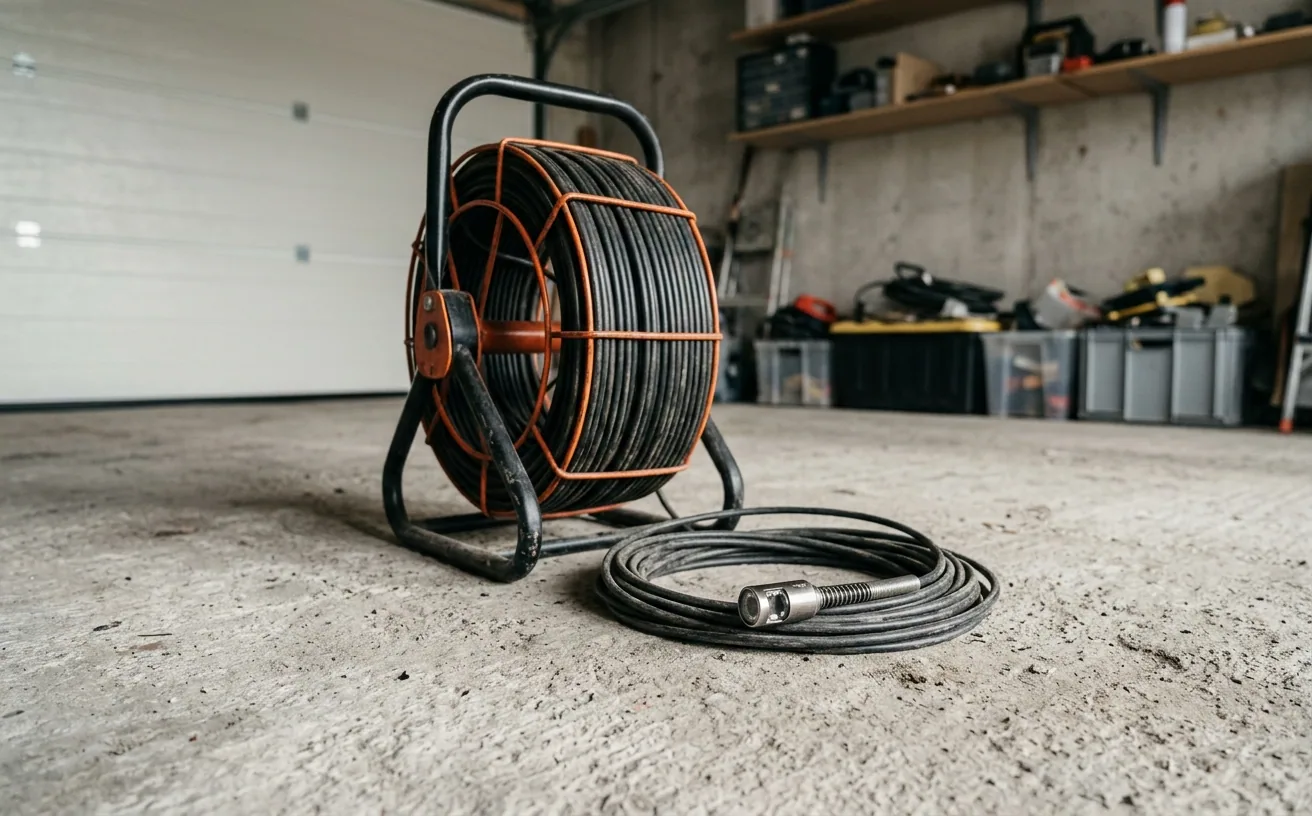
The useful test is documentation. If nobody can produce camera footage or a written finding for a line that keeps backing up, ask why. A second opinion with a camera is cheap against another pump out.
Can you promise we pass the health inspection?
No, and nobody honestly can. An inspector's decision belongs to the inspector, and any contractor promising otherwise is selling something they do not control.
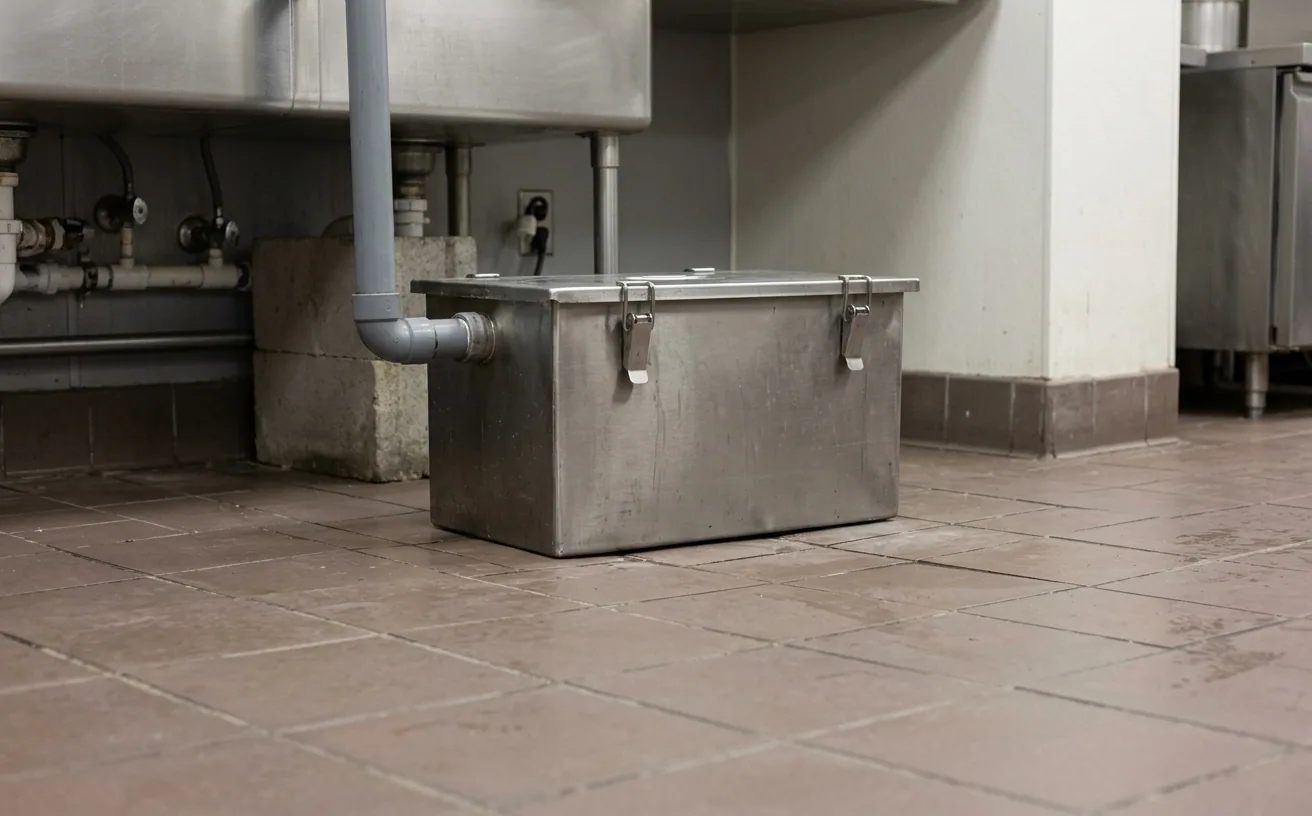
What can be done is to follow the published rule. The Southern Nevada Health District requires the interceptor outside the food establishment wherever possible and never where food is prepared or utensils are washed.
We cannot close the kitchen. There is no window for this
There usually is one, it is just inconvenient and it costs more. Night and early morning work carries the same after hours premium that the residential trade applies.
The alternative is worse arithmetic. A line that fails during service closes the kitchen on the busiest night rather than the quietest one. Nobody gets to choose which night that is.
Why is a camera inspection an extra line on the estimate?
Because it answers a question that changes the price by thousands. Published ranges put it at $100 to $500 as part of diagnosing a problem, against $1,388 to $5,323 for a sewer replacement.
Without footage, a blocked line, a cracked line and a collapsed line all look identical from a cleanout. Paying to see the difference is usually cheaper than guessing it wrong once.
Our landlord says the city owns that part of the line
Check that in writing before anyone spends money on the assumption. In the Clark County Water Reclamation District service area, the lateral is the property owner's responsibility to clean, repair and replace. The lateral means the line from the building to the main in the street.
Where the lease splits that duty between landlord and tenant is a separate question from where the utility's duty stops. The utility boundary does not move because a lease says otherwise.
What code even applies right now? We were told it changed
It did. The valley moved to the 2024 Uniform Plumbing Code. Clark County applies it to applications filed from January 11, 2026, and the City of Las Vegas from January 5, 2026.
The detail that catches people is that the valley does not enforce the plain code. Local jurisdictions apply it together with the Southern Nevada Amendments, so a plan drawn to the unamended code can still be rejected.