The things people say before they book
It is only a small drip, I can live with it
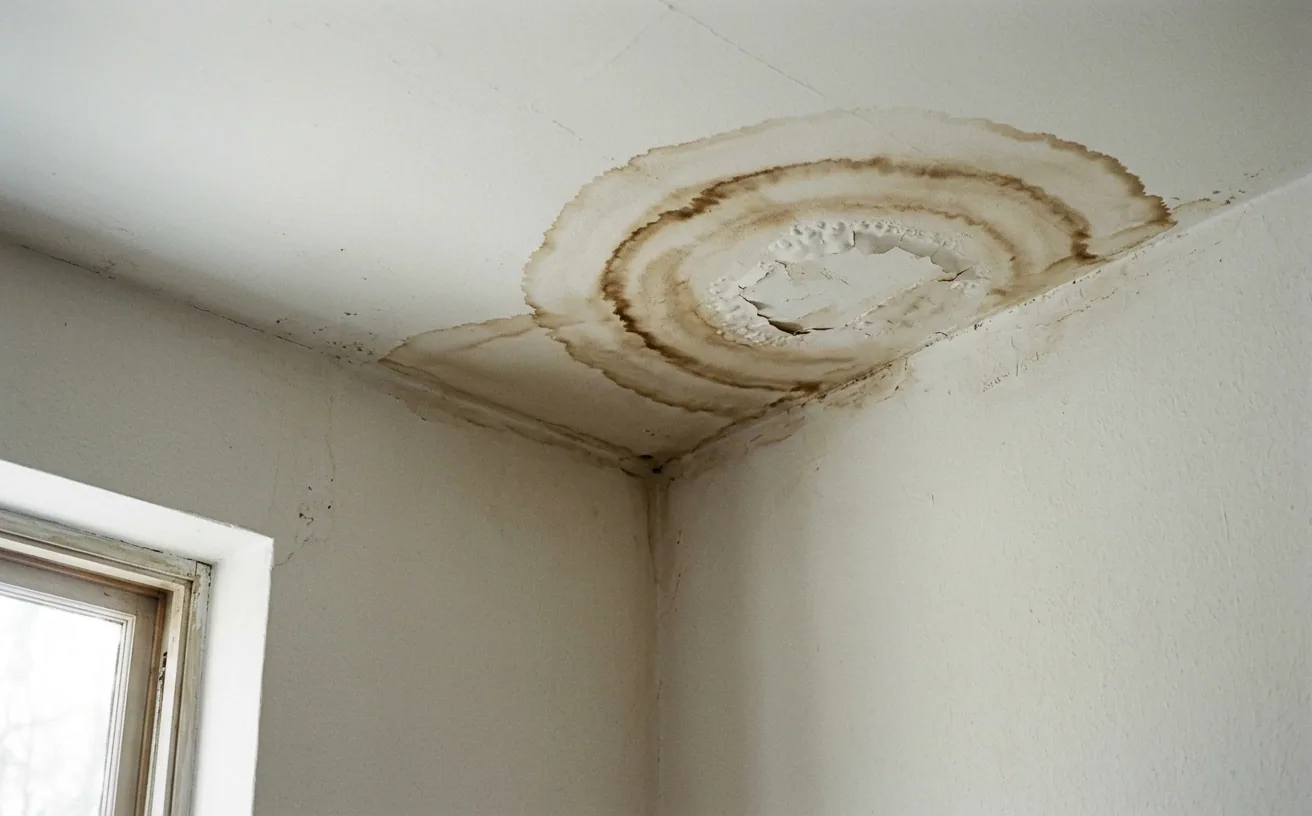
A toilet leak is the one leak that hides inside a bill rather than on a floor. US EPA WaterSense puts average household leak losses above 9,300 gallons a year.
The Southern Nevada Water Authority says more than one toilet in five is leaking right now. Most of those owners have no idea.
I already replaced the flapper and it still runs
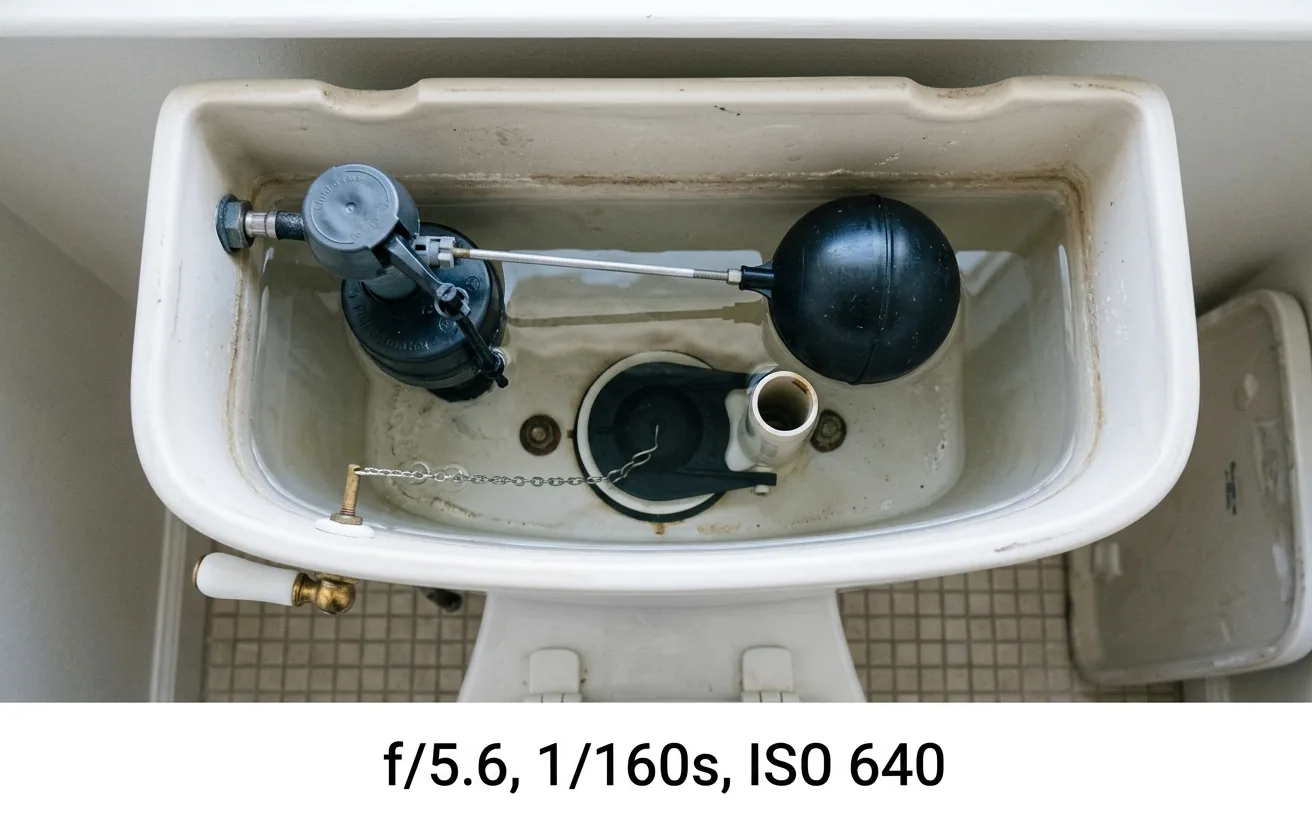
A new flapper on a worn flush valve seat will keep leaking, because the sealing surface underneath it is pitted. The part is fine and the seat is not.
This is the most common reason a second visit happens after a hardware store repair. The fix is the valve assembly, not another rubber part.
Can I just replace the toilet myself?
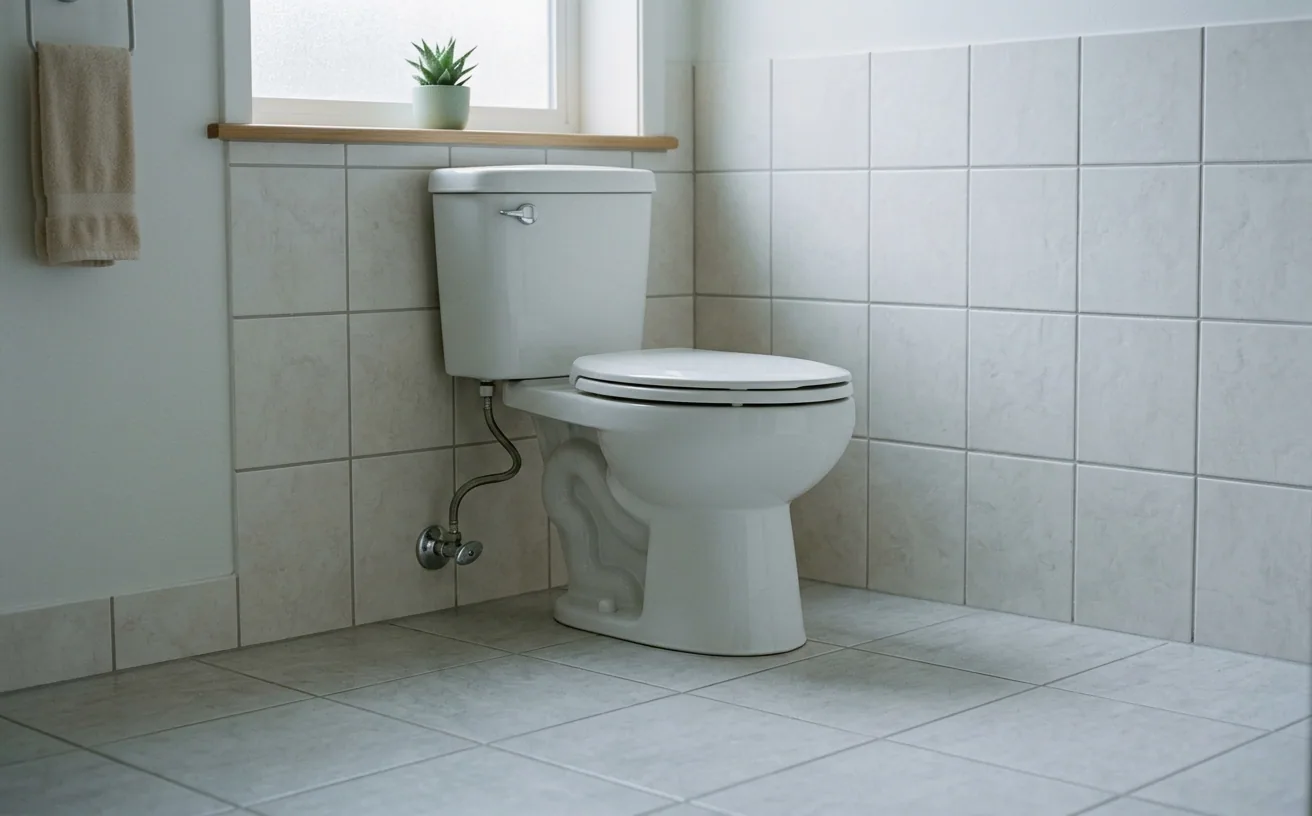
Clark County Code 22.02.195 does allow removing and reinstalling a toilet without a permit, as long as concealed piping is not replaced or rearranged.
The part that goes wrong for homeowners is rarely the toilet. It is the old angle stop that will not shut, or a flange that has sunk below the tile.
Why does the whole toilet have to come off for a leak at the floor?
The seal that failed sits between the bottom of the toilet and the flange in the floor. There is no way to reach it with the fixture in place.
Lifting it also exposes the flange, which is where a second problem often hides. Setting a new seal onto a cracked flange just repeats the leak.
Two flushes is normal for a low flow toilet
It is not. First generation low flow designs earned that reputation, and a lot of valley homes still have them, since the county median build year is 1999.
A modern fixture clears the bowl in one flush. If a newer toilet needs two, the usual causes are a partly blocked rim, a low water line, or a failing flapper.