Fair questions before you book an install
The big box store quoted me less for the same heater.
The heater is the part everyone prices the same way. The difference sits in who pulls the permit, who rebuilds the connections and who removes the old unit.
Ask any quote three questions: is the permit included, is the old unit removed, and are the connectors new. The answers usually explain the gap.
Do I really need a permit just to swap a water heater?
Replacing a water heater needs a permit from the building department for your jurisdiction, and Clark County issues that one online with no plan review.
It also matters when you sell. An unpermitted gas appliance is the kind of thing that turns up in escrow and gets fixed on a deadline, at a worse price.
Why replace the shutoff and the connectors if they still work?
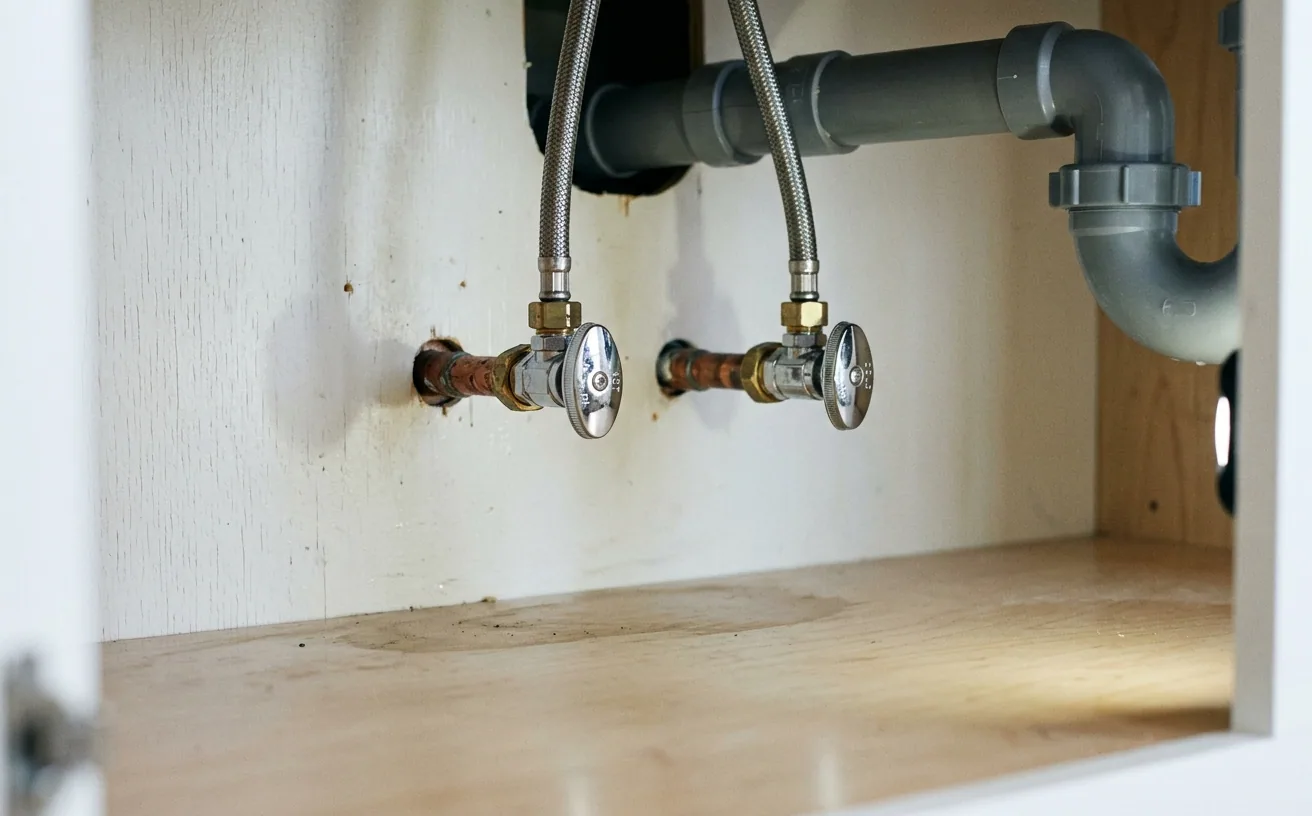
They are cheap while the unit is out and awkward once it is in. InterNACHI puts angle stop life at 8 to 20 years, and valley hardness pushes that toward the early end.
A seized shutoff is also the reason a small leak becomes a wet garage. Replacing it during the install is the cheapest it will ever be.
I just want the same model I already have, new.
That is often perfectly reasonable, especially if the household has not changed and the old unit kept up.
The one thing worth checking is whether it actually kept up. If mornings involved timing showers around each other, like for like repeats a problem you could fix now.
You do not publish a license number, so how do I check you?
No license number is published on this site, because nothing about this business has been verified for publication yet.
Ask for the number on the phone, then check it free on the Nevada State Contractors Board public license search. You can see the classifications it holds and whether it is active.
Can I supply the heater myself and just pay for labor?
Some plumbers will do that and some will not, so ask directly before the visit is booked rather than on install day.
Be aware that a homeowner supplied unit usually changes who deals with the manufacturer if the heater itself proves faulty.