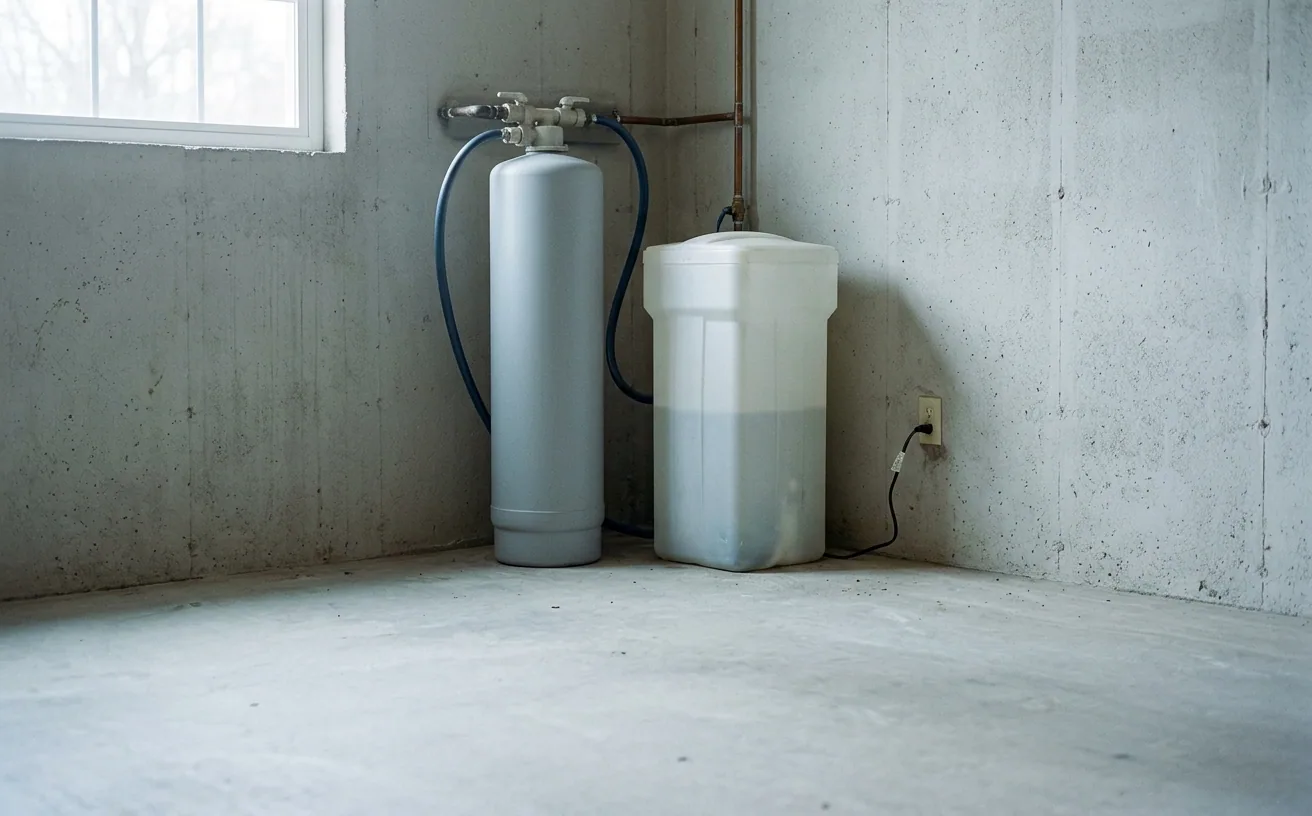
Water softeners and treatment
Install, repair, replace and service on any make or model, sized to the 16 grains per gallon the valley actually runs.
View water softenersServing all of Clark CountyWater at 16 grains per gallon
Las Vegas tap water is published at 280 parts per million, 16 grains per gallon, which the USGS classifies as very hard. That single number drives most of what goes wrong in a valley home, and most of what we fix.
Figures above are published third party data, not company claims. Sources: Las Vegas Valley Water District, US Census ACS, Clark County planning.
Six places most calls land. Every one of these opens onto the full set of related services.
Install, repair, replace and service on any make or model, sized to the 16 grains per gallon the valley actually runs.
View water softeners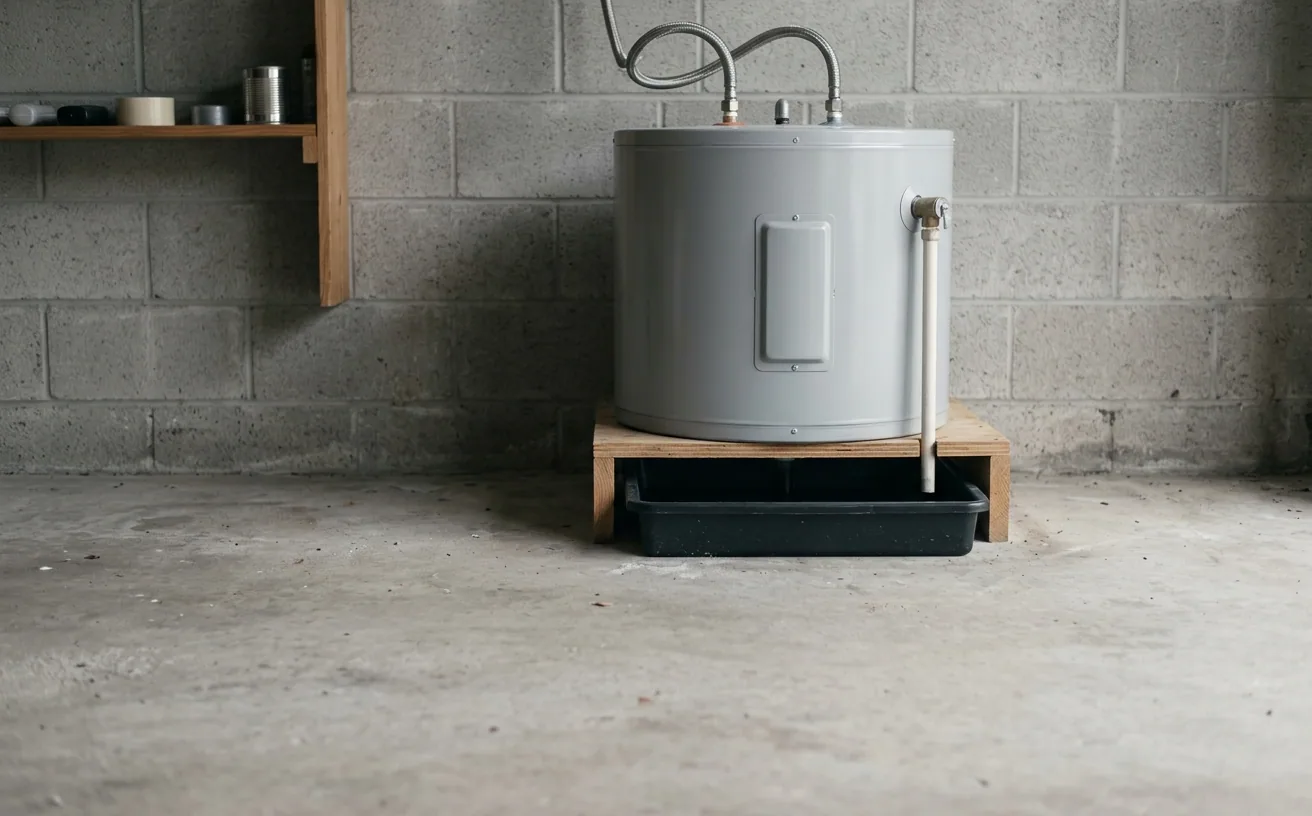
Repair, replacement and tankless, including the descaling that hard water makes an annual job rather than an optional one.
View water heater repair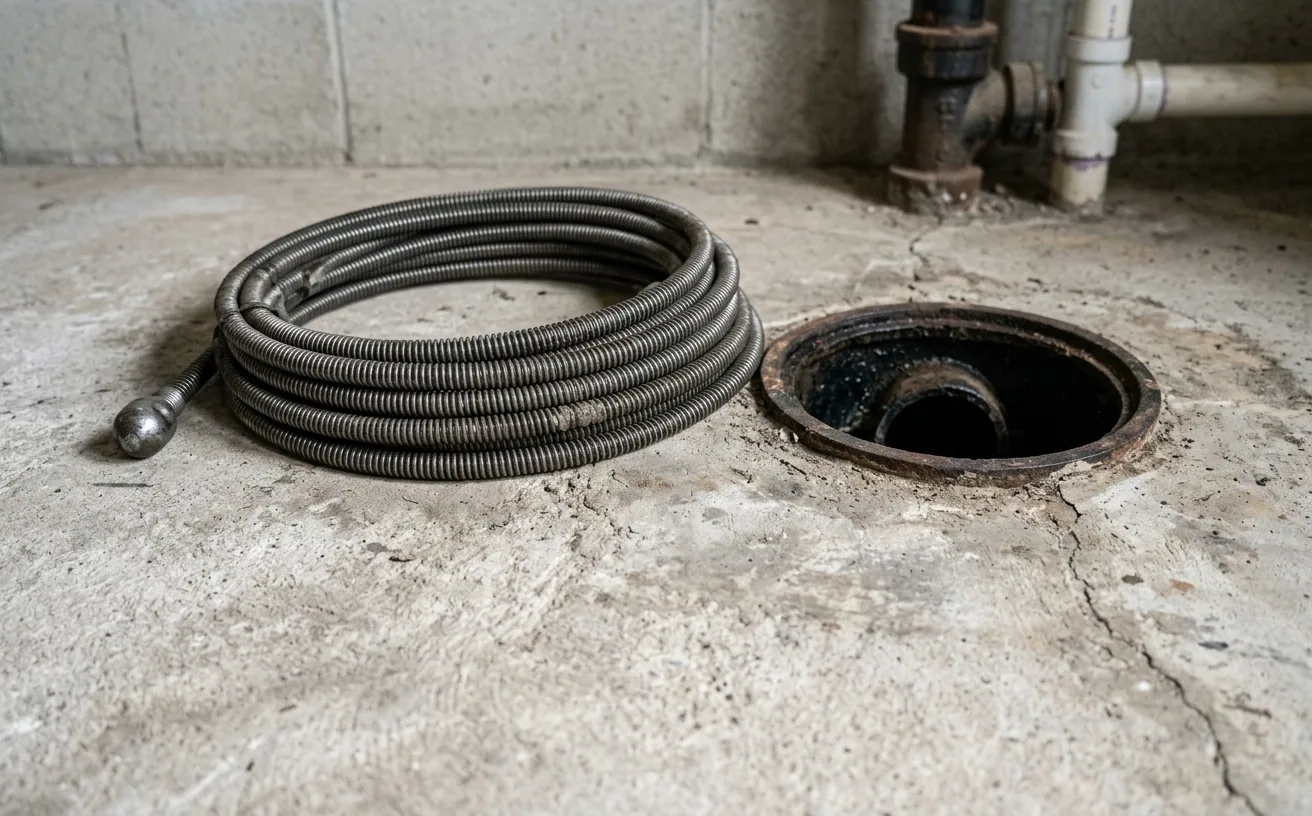
Cleaning, jetting, camera inspection and sewer line work. In this county the lateral from the house to the street is yours.
View drain cleaning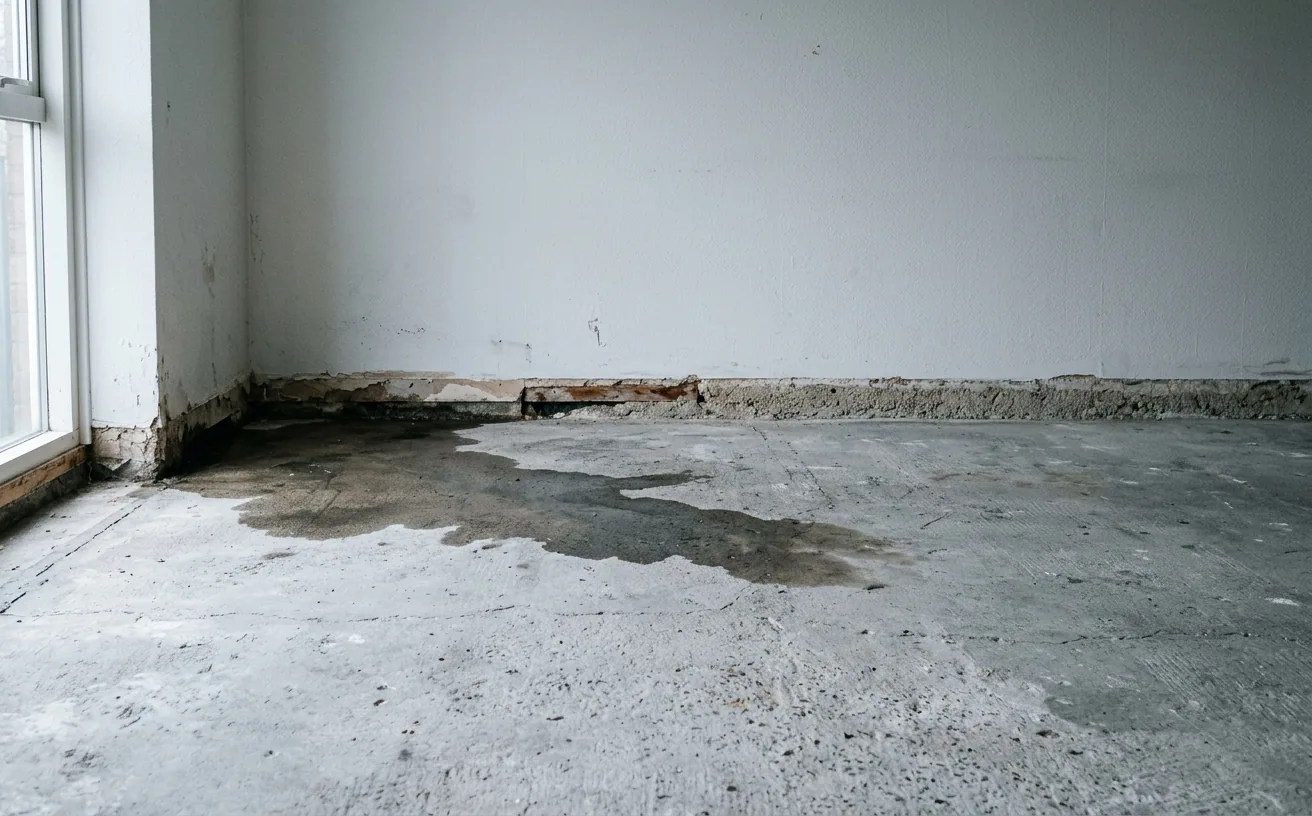
Finding the leak before anything is opened up. Valley homes sit on slabs because of caliche, so a leak under one is common here.
View leak detection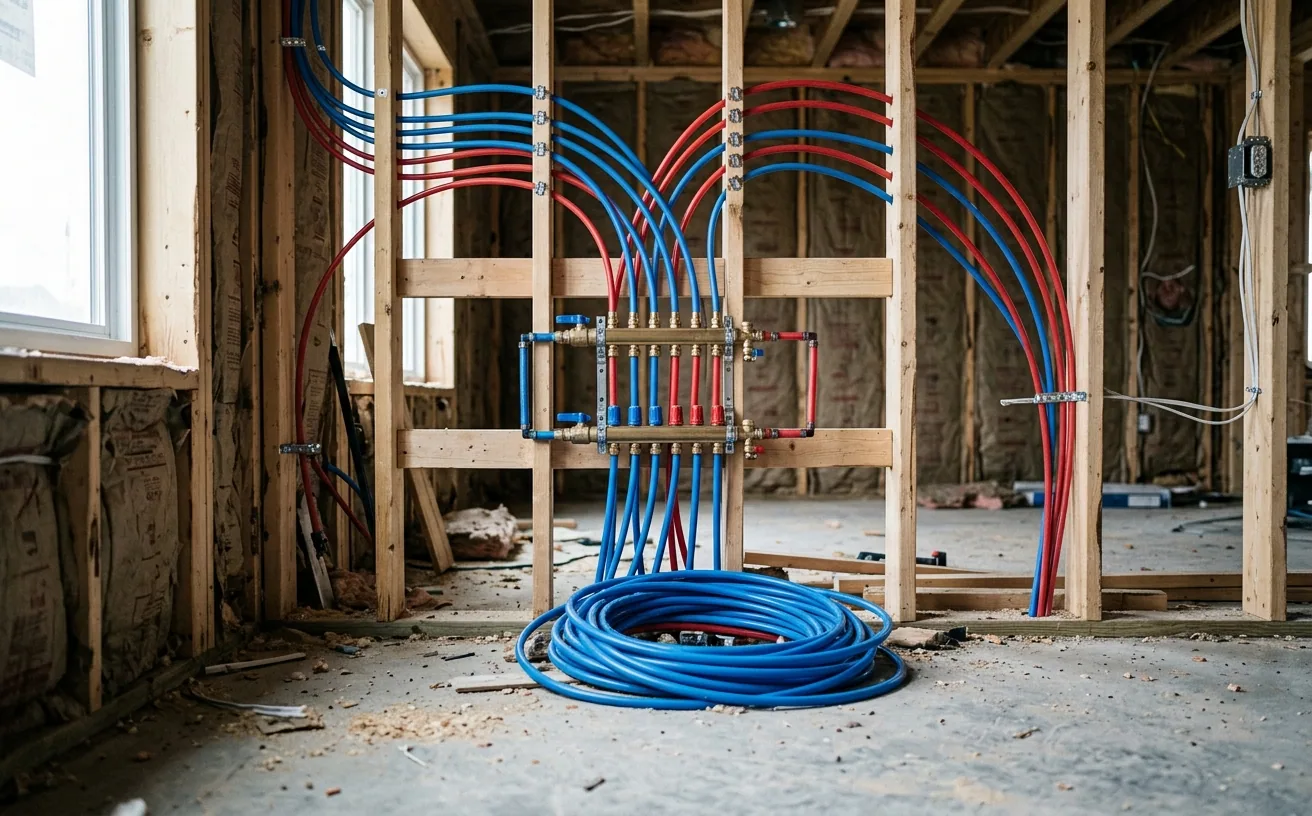
Galvanized from the 1950s, polybutylene from the 1978 to 1995 window, and everything that has failed since.
View repiping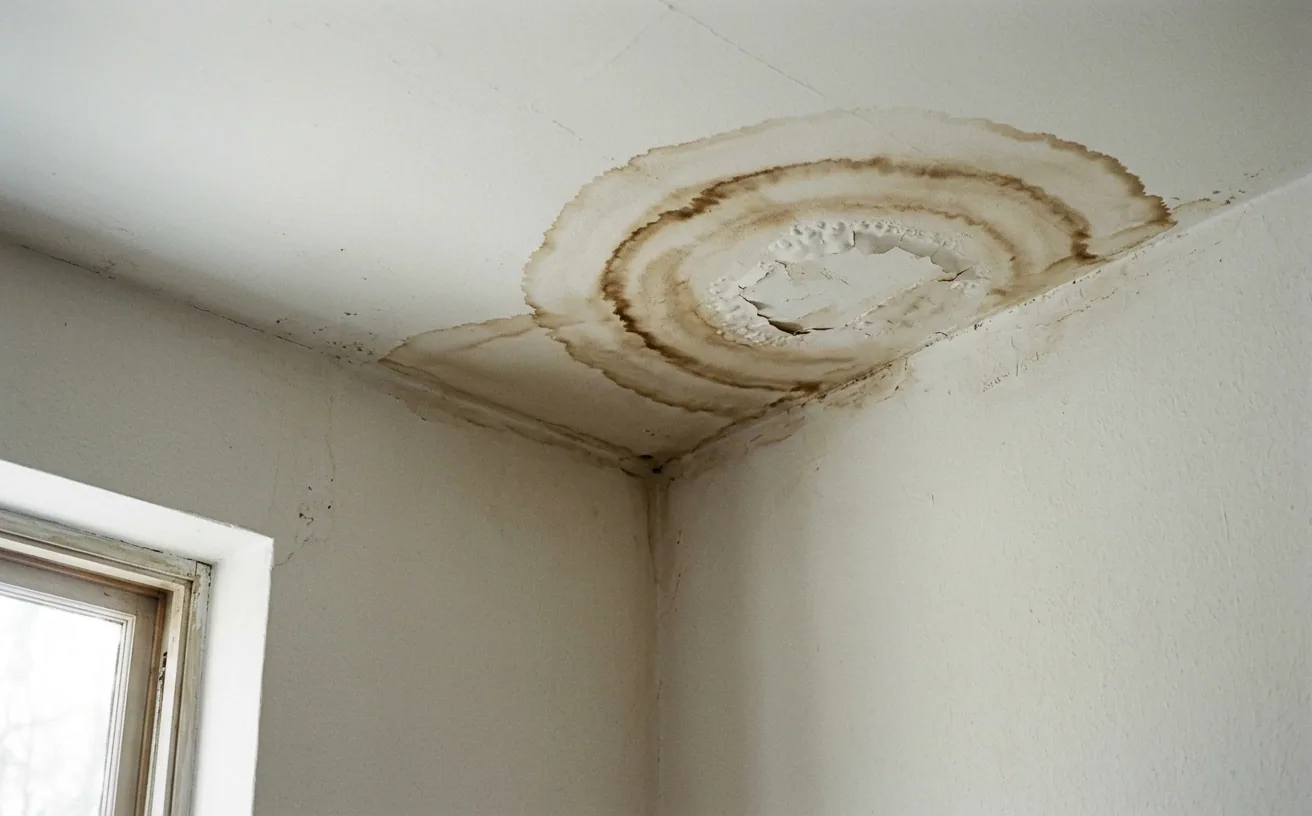
Burst line, sewer backup, no hot water. Call first and shut the main off while the phone is ringing.
View emergency plumbingEvery service we offer is listed on the full services page, grouped by what you are actually dealing with.
Most calls in the Las Vegas Valley come down to one of a short list of problems, and almost all of them trace back to the same two things: water that runs very hard, and a housing stock where the median home went up in 1999.
If one of these is happening at your address, the rest of this page explains what it usually takes to fix.
You are in Clark County. Something is leaking, backed up, or not heating. You want to know roughly what it costs before anyone is standing in your kitchen.
That is the whole reason this site publishes market ranges and names their sources instead of saying "call for pricing".
If you smell gas, leave the building and call the gas utility first, then us. If water is actively pouring, shut the main off before you call anything.
We do not do air conditioning, heating or duct work. If that is what you need, this is the wrong company and you will be better served elsewhere.
A new plumbing site can tell you it is trusted, experienced and highly rated. None of that is checkable from where you are sitting, so this page does not say it.
What follows is checkable. Each one links to the body that published it.
The Las Vegas Valley Water District publishes hardness at 280 parts per million, 16 grains per gallon, and tells customers to set a softener to that number. Its own FAQ page still shows an older figure of 291 ppm, so both appear on official pages at once.
Read the water quality summaryIn a 2009 Water Quality Research Foundation study run by Battelle, gas water heaters on hard water built 528 grams of scale a year against 7 grams on softened water. None of the heaters on unsoftened water lasted to the end of the test.
Water Quality Research FoundationInstalling a water conditioning system in unincorporated Clark County needs a permit and an inspection, whether a homeowner does the work or a company does. The county issues that permit online with no plan review.
Clark County Building and Fire PreventionThese are testable. If we break one, you can see it on the page.
Four steps, and the price becomes final at step three.
You describe the symptom in your own words and give the address and a ZIP. We ask what has already been tried and whether the water is off.
On the phoneSomeone comes out and diagnoses the actual cause rather than the symptom. On a leak that means locating it before anything is opened. On a drain it means finding out whether the blockage is the fixture or the line.
On siteThe scope and the price are stated together, before anything starts. You decide. If the answer is no, that is a complete answer and nothing happens.
Before any work startsWater heaters, softeners, reverse osmosis units and residential repipes all need a Clark County permit. We pull it, and the inspection is part of the job rather than something you chase afterwards.
Same visit where the part is on the truckStep three is the only place a number changes. If something is found behind a wall that changes the scope, the work stops and you get a new number before it continues.
Published market ranges, with the source named beside each one. These are not our prices and they are not a quote. They exist so you can tell whether a number you are given is inside the market or outside it.
Every one of these is a range because the real number depends on access, on what is behind the wall, and on whether a code upgrade is triggered when the old part comes out.
Someone comes out, looks at the actual job, and gives you a single number for a defined scope before anything starts. That is the number you approve or decline.
A diagnostic visit is a real visit with a real cost, and whether that cost is credited toward the repair is confirmed on the call before anyone is dispatched. You will not find out about a fee when the invoice arrives.
| Job | Typical Las Vegas range | What moves the number |
|---|---|---|
| Service call or diagnostic fee | $75 to $150 | The broader trade range runs about $50 to $200. Emergency and after hours dispatch is higher, commonly $150 to $350 or more. |
| Water heater repair | $228 to $1,017 | National average about $616. Las Vegas contractors commonly publish $150 to $700. |
| Tank water heater, installed | $882 to $1,826 | National average about $1,347. A 50 gallon unit runs about $800 to $2,500 depending on venting and code upgrades. |
| Drain cleaning | $147 to $352 | National average about $246. A main sewer line clog runs higher, about $100 to $800, and Las Vegas contractors commonly publish $250 to $500 for a main line. |
| Water softener, installed | $200 to $6,000 | National average about $1,500. A whole home system sized for Las Vegas hardness sits in the middle of that range, not the bottom. |
| Leak detection | $125 to $400 | Repairing the pipe once it is found runs about $150 to $350 more. Las Vegas contractors commonly publish $200 to $600 for detection. |
Every figure in this table is a published Las Vegas or national market range from the source named beside it. It is not a quote and it is not this company's price list. Your number comes from the on site estimate. Sources: <a href="https://www.housecallpro.com/resources/marketing/how-to/how-to-price-plumbing-jobs/" rel="nofollow noopener" target="_blank">Housecall Pro 2026 Plumbing Price Guide</a>, <a href="https://www.homeadvisor.com/cost/plumbing/" rel="nofollow noopener" target="_blank">HomeAdvisor cost guides, 2026</a>.
On a water heater the rough shape is repair at $228 to $1,017 against replacement at $882 to $1,826 installed, so a heater past 10 years on Las Vegas water is usually a replacement conversation rather than a repair one.
Across the trade a standard plumbing service call or diagnostic fee runs about $75 to $150, with a broader range of roughly $50 to $200. An emergency or after hours dispatch commonly runs $150 to $350 or more before any repair.
Crediting that fee toward the repair when you approve the work is common practice in the trade. Ours is stated on the call, in a figure, before anyone is dispatched.
Ranges last reviewed September 2026.
These are drawn from the sources named on them. They are the shortest explanation of why a Las Vegas plumbing call looks different from the same call in a soft water city.
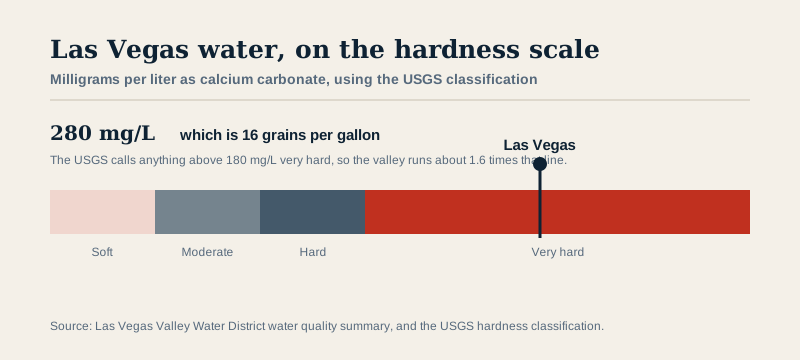
The US Geological Survey calls water very hard above 180 milligrams per liter. Las Vegas is published at 280. That is not a slightly-above-average number, it is roughly 1.6 times the line.
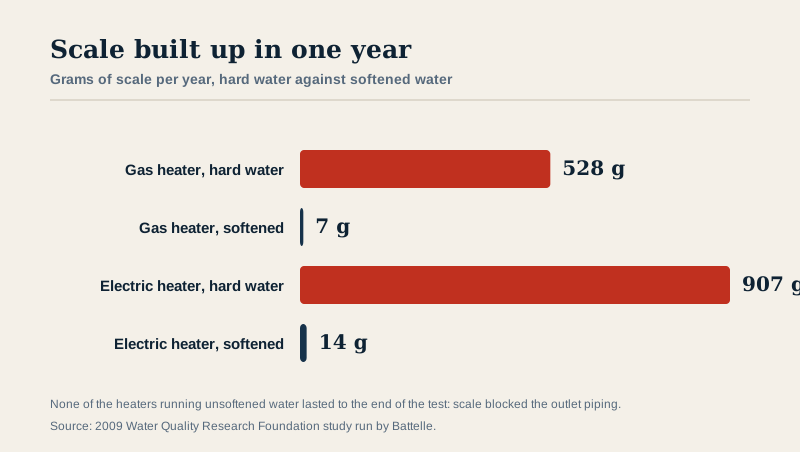
In the Battelle study for the Water Quality Research Foundation, gas heaters on hard water built 528 grams of scale a year against 7 grams on softened water. Electric was worse. None of the unsoftened units survived the test.
The photographs elsewhere on this site are illustrations of the conditions described, and every one is captioned as such. Real job photographs go up as they are approved for publication.
Clark County covers 8,091 square miles and holds about 2,465,431 people, and roughly 1,073,926 of them live in unincorporated areas served directly by county government rather than inside a city.
That matters for a practical reason: the office that issues your plumbing permit depends on which of those you are in, and so does who owns the sewer line at your curb. Each page below says which ones apply to that place.
One call is the whole process here. A real person, a real answer, and the diagnostic fee as a figure before anyone is sent.
We are a service area business. We come to you, so there is no counter to visit and no street address on this page. The number above is the fastest way in.
About a minute of detail changes what we can tell you on the call.
The Las Vegas Valley Water District publishes tap water hardness at 280 parts per million as calcium carbonate, which is 16 grains per gallon. The US Geological Survey classifies anything above 180 milligrams per liter as very hard, so the valley sits at roughly 1.6 times that threshold.
The hardness comes from the Colorado River. About 90 percent of the valley's drinking water is Lake Mead water that started as Rocky Mountain snowmelt and picked up calcium and magnesium on the way down. The district also publishes a saturation index of plus 0.25, which is the technical way of saying this water deposits scale rather than dissolving it.
Yes to both. Replacing a water heater needs a permit from the building department for your jurisdiction, and installing a water conditioning system in unincorporated Clark County needs a permit and an inspection, whether a homeowner does the work or a company does.
Clark County issues several of these fully online with no plan review: water heater, water softener, reverse osmosis, gas re-tag and residential repipe, one item per permit. Whoever pulls the permit is the responsible party for the installation, which is worth knowing before you pull one yourself.
Across the trade a standard service call or diagnostic fee runs about $75 to $150, with a broader market range of roughly $50 to $200. Nights, weekends and holidays typically add $100 to $300, and an emergency dispatch commonly runs $150 to $350 or more before any repair work.
Whether that fee is credited toward the repair varies by company and it is a fair question to ask on the phone. Ours is stated as a figure before anyone is dispatched, so it is never a surprise on the invoice.
Scale. In a 2009 Water Quality Research Foundation study run by Battelle, gas storage water heaters on hard water built 528 grams of scale a year against 7 grams on softened water, and electric units built 907 grams against 14. None of the units on unsoftened water lasted to the end of that test because scale blocked the outlet piping.
Rheem puts a tank heater at 8 to 12 years and a tankless unit at 15 to 20 or more, and says hard water shortens both. On valley water a heater at the low end of that range is normal rather than unlucky.
Possibly. Polybutylene pipe was made between 1978 and mid 1995 and went into as many as 10 million US homes, and about 36 percent of Clark County homes were built in the 1980 to 1999 window. It is usually stamped PB2110 and is most often gray.
It fails because disinfectants in city water react with the plastic and flake it apart from the inside, so the damage is invisible until it leaks. The $950 million class action settlement was approved in November 1995 and the claim window closed long ago, so replacement today comes out of the homeowner's pocket.
You are, in the Clark County Water Reclamation District service area. The district is explicit that cleaning, repairing and replacing the lateral, meaning the line from the house to the main in the street, is the property owner's responsibility, including keeping it clear of roots.
The district runs more than 2,200 miles of pipeline for over 240,000 accounts, and none of that includes your lateral. Henderson, North Las Vegas, Las Vegas and Boulder City each run their own sewer systems with their own rules, so the answer depends on which one you are in.
Some of it. Clark County Code section 22.02.195 lists plumbing work that needs no permit: stopping leaks in drain, soil, waste or vent pipe, clearing stoppages, repairing leaks in pipes, valves or fixtures, and removing and reinstalling a toilet, as long as concealed piping is not replaced or rearranged.
Beyond that, Nevada's small job exemption for work under $1,000 does not apply when a permit is required, or to work of a type a plumbing contractor performs. An owner improving their own residence can use the owner builder exemption, but that means filing an affidavit with the building department and supervising the work directly.
Check it yourself, free, in under a minute. Nevada plumbing contractors hold a Nevada State Contractors Board C-1 license, with C-1d covering plumbing specifically, and the Board runs a public license search you can query by license number, company name or the name of a principal.
It shows you which classifications the license holds and whether it is active. Do this for any contractor before you let them touch a gas line or a slab, including us, and note that this site publishes no license number at all until one has been verified for publication.
Describe the symptom and we will tell you what it usually takes to fix, before anyone comes out.